Systemic racism is another name for structural or institutional discrimination; today, the concept has developed into a key way of studying racial gaps in the United States. Scholars in sociology and law say that racism is more than personal bias and is instead part of a “racialized social system” (Bonilla-Silva, 1997, p. 474) where laws and daily practices sustain inequality even when individuals are not openly hostile (p. 469). In contrast, conservative commentators and some economists argue that present-day racial gaps are driven by more by factors like economic status and non-racial policy failure than enduring systemic racism. Understanding the discussion on systemic racism in the United States demands an examination of both the nation’s history and the institutional practices supporters believe sustain it, as well as the counterarguments put forward by critics.
The Historical Roots of Systemic Racism
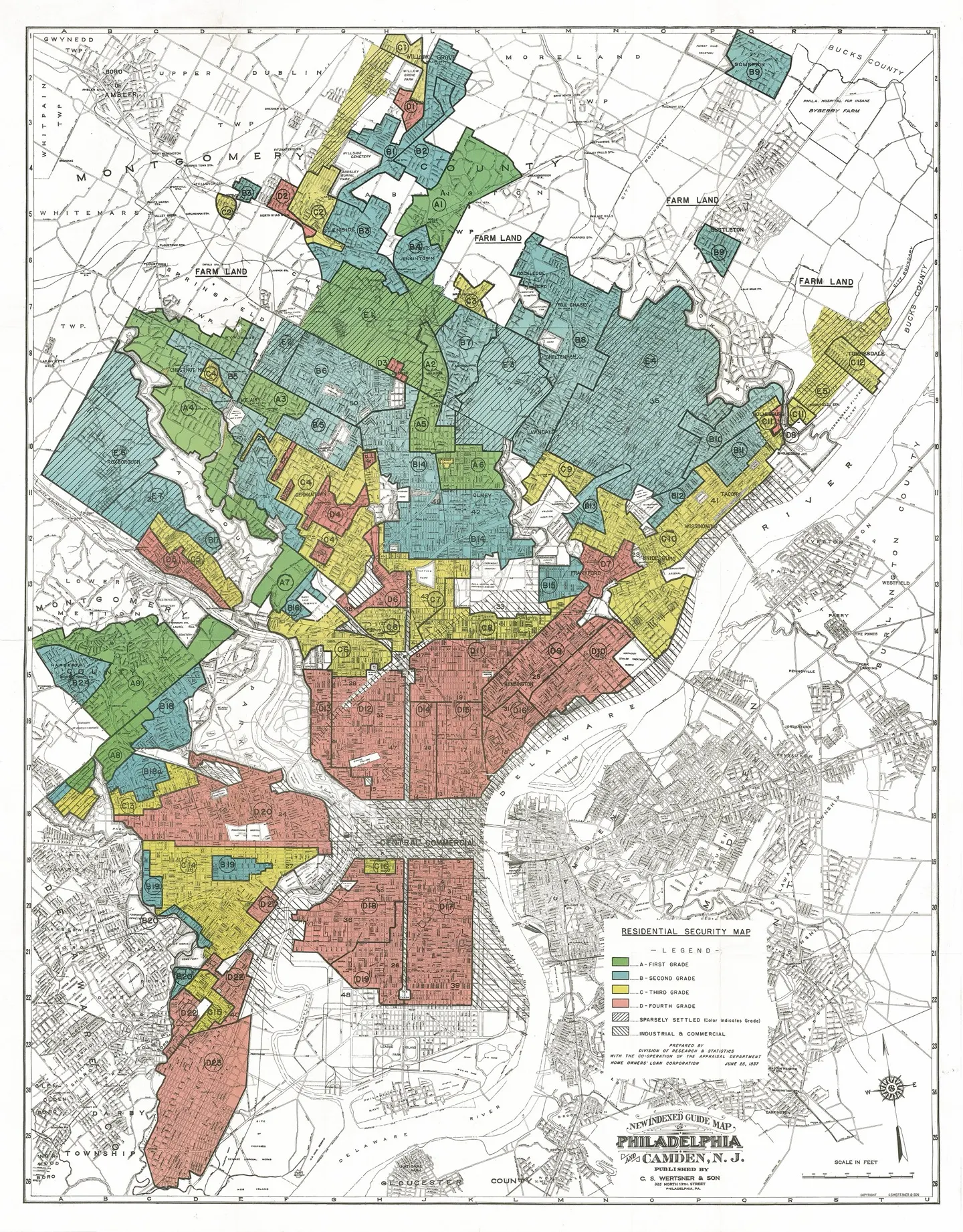
Researchers usually look at the legal and economic history of America when explaining why scholars believe racism is built into American institutions. Slavery was a pillar of the U.S. economy for almost two and a half centuries, and the legal system ranked people according to race (Desmond, 2019). Southern states implemented the Jim Crow laws after the Civil War and Reconstruction ended. These laws compelled Black and White persons to use different public areas and prevented Blacks from casting votes and securing meaningful opportunities of employment and creating wealth. Richard Rothstein notes that the federal government actively enforced racial discrimination all through the twentieth century; hence, it was not just happening in the South (Rothstein, 2017, p. viii). The Federal Housing Administration implemented a practice called “redlining” during the New Deal period (pp. 63–67). The organization created a rating system that grouped neighborhoods based on the race of the residents who lived there. The goal was to make home loans available people in mostly white areas while denying them to residents in Black areas. Owning a home has traditionally been the primary way that middle-class Americans build wealth; therefore, sociologists emphasize that redlining sustained racial wealth disparity that continues to affect families today.
How Past Policies Shape Institutions Today
The systemic racism view develops the idea that past policies have an enduring impact on modern communities because they still influence how major institutions like hospitals and courts work. Criminal justice experts note that there are still disparities with regard to rates of arrest and prison time. For example, even when comparing individuals with the same criminal records and offenses, “sentences of Black male offenders were 19.1 percent longer than those of White male offenders” (United States Sentencing Commission, 2017, p. 2). Similarly, advocates indicate that the 1986 Anti-Drug Abuse Act that was implemented during the War on Drugs was impartial in theory but had discriminatory racial impacts (Alexander, 2010). The law set a 100-to-1 gap in sentencing between crack cocaine that was more popular in the Black community and powder cocaine that white Americans consumed (p. 140). Accordingly, policies may appear neutral on the surface but produce racially unequal consequences.
Researchers in the domain of education note that public schools are mostly funded by local property taxes. A history of housing segregation has seen Black and Hispanic households being pushed into lower-income neighborhoods with low property values. Therefore, schools in these areas get lower funding per student when compared to schools in predominantly white neighborhoods (EdBuild, 2019). EdBuild (2019) carried out national research that revealed a $23 billion gap in funding between mostly white and nonwhite school districts. The study established that students in mostly white districts have a significant advantage over those in nonwhite districts regardless of the level of wealth in a particular region (p. 4). Likewise, public health researchers highlight systemic discrimination in accessing high-quality care and unconscious bias among healthcare providers (Petersen et al., 2019, p. 764). They explain that these issues sustain significant gaps in maternal mortality and chronic diseases among racial minorities.
The Critics' View
Racial disparities are widely documented, but referring to these issues as “systemic racism” stimulates major discussions among politicians and scholars. Critics of this idea emphasize that attributing all statistical gaps between racial groups to systemic racism overgeneralizes multi-faceted social issues and overlooks important factors (Sowell, 2019, pp. 1–12). Economist Thomas Sowell notes that institutional discrimination is not the sole contributor to racial disparities; factors like age and demographics also influence statistical gaps in income and prison rates (p. 11). Sowell emphasizes, “Merely reciting these differences and arbitrarily attributing them to whatever the prevailing social vision of the time declares to be the cause . . . is hardly hypothesis-testing” (p. 145). Critics tend to highlight factors like differences in age and the drop in two-parent households since the mid-1900s as primary causes of child poverty and slower economic growth. They underscore that cultural and behavioral patterns rather than institutional bias drive these outcomes.
Moreover, policymakers and conservative scholars argue that referring to American institutions as “systemically racist” implies that they cannot be fixed. This position overlooks major civil rights regulations that were implemented in the 1960s to ban open racial discrimination (McWhorter, 2021). This viewpoint holds that real equality is about treating every person equally regardless of race and rewarding them on the basis of merit rather than group identity. Social critic John McWhorter cautions that contemporary antiracist philosophy serves as a rigid set of rules that views Black Americans as an incapable group (p. 10). He indicates that supporters typically “insist that self-mortification is political activism” rather than advocating for practical changes that deliver the desired outcomes (p. 46).
Race-Conscious or Race-Neutral Policy
The debate over how the government should address inequality extends discussions on systemic racism into politics and the law. The individuals that subscribe to this school of thought note that acknowledging the role that race played in embedding systemic discrimination should be the starting point of finding an effective solution to this problem (Kendi, 2019, p. 19). They champion the adoption of policies such as targeted investments in neighborhoods that have historically been redlined and the reformation of the criminal justice system. On the other hand, opponents of this view argue that the Constitution demands that the government adopt a neutral position on race. Advocates of race-neutral policies emphasize that the government should premise assistance on income and financial need rather than race (Students for Fair Admissions, Inc. v. President & Fellows of Harvard College, 2023). This strategy expands support like healthcare and money-saving initiatives to every low-income earner in the United States without creating rivalry between different groups.
Conclusion
Talks about systemic racism in America come down to the manner in which individuals perceive the past and the extent to which the government should step in to solve the problem. Researchers and activists contend that old injustices still influence how institutions run in the modern day, and this affects how society functions. Also, minority groups still experience noteworthy challenges accessing quality healthcare and public schools situated in lower-income neighborhoods get limited funding. On the other hand, critics say that this perspective ignores progress made since the 1960s by overgeneralizing discrimination and overlooks the role that factors like culture and personal responsibility play in influencing outcomes. Accordingly, America’s ongoing struggle with inequality puts the clash between these two perspectives at the center of national conversations about justice and equal rights.