Psychological testing is the administration of psychological tests, each of which is meant to be an objective and standardized measure of a sample of behavior. A sample of behavior here means a person’s performance on tasks set in advance. This paper evaluates the ethical issues that accompany psychological testing (Domino & Domino, 2006).
Test Administration, Scoring, and Interpretation
Issues Related to Errors in Test Administration
Common Errors
A study of the protocols that graduate students completed on the Woodcock-Johnson III Tests of Cognitive Abilities (WJ III COG) found that the most frequent errors were incorrect ceilings, failure to record responses, and failure to circle the correct row for the total number correct (Ramos et al., 2009). A ceiling error occurs when an examiner stops a subtest before or after the criterion set in the manual has been reached. A recording error occurs when an examiner fails to write down identifying information or the examinee’s responses on the test protocol. A query error occurs when an examiner fails to query, or to query adequately, an answer that is incomplete or unclear; on the WISC-IV, failure to query was among the errors graduate students made most often (Loe et al., 2007).
Ethical Principles
The relevant APA ethical principles here are integrity and justice. Under the principle of integrity, psychologists seek to promote accuracy, honesty, and truthfulness in the science, teaching, and practice of psychology. In these activities, psychologists do not steal, cheat, or deceive, and they do not intentionally misrepresent facts. The principle of justice recognizes that fairness entitles all people to access to and benefit from the contributions of psychology, and to equal quality in the processes, procedures, and services that psychologists provide. Psychologists therefore exercise reasonable judgment and take precautions so that their potential biases, the boundaries of their competence, and the limits of their expertise do not lead to unjust practices (American Psychological Association [APA], 2017).
Issues Related to Test Scoring
Common Errors
The most common scoring errors are made in scoring individual items and in adding up the scores within a subtest. On the WISC-IV, the Vocabulary, Comprehension, and Similarities subtests show the most scoring errors (Loe et al., 2007).
Ethical Principles
The APA ethical principle most relevant to test scoring is fidelity and responsibility. This principle asks psychologists to build relationships of trust with the people they work with and to be aware of their professional and scientific responsibilities to society. Psychologists therefore uphold professional standards of conduct, accept responsibility for their own behavior, and are concerned about the ethical conduct of their colleagues. The principle also asks psychologists to give part of their professional time for little or no compensation (APA, 2017).
Issues Related to Test Interpretation
Common Errors
The most common errors in test interpretation are the fundamental attribution error, confirmation bias, and the omission of test interpretations. The fundamental attribution error occurs when a psychologist explains a person’s behavior by internal characteristics and overlooks external factors.
Ethical Principle
The APA ethical principle most relevant to test interpretation is respect for people’s rights and dignity. This principle recognizes people’s rights to privacy, confidentiality, and self-determination. When interpreting a test, psychologists respect these rights and the worth of every person, and they take special care to protect people whose vulnerabilities limit their ability to make decisions on their own. The principle also requires psychologists to work to eliminate the effect of bias on their work, whether the bias concerns an individual or a group (APA, 2017).
How Errors in Test Administration and Scoring Affect Test Validity
Errors in test administration and scoring threaten test validity because they keep practitioners from making sound diagnostic and intervention decisions for their clients. Conversely, by reducing administration and scoring errors in cognitive tests, psychologists can make more valid decisions about the people they assess (Loe et al., 2007; Ramos et al., 2009).
Beneficence and Nonmaleficence
Benefit the people you work with and take care to do no harm. The paper applies it through the standard on avoiding harm, in assessment and in test fairness.
Fidelity and Responsibility
Build trust, accept responsibility for your own conduct and care about your colleagues’ conduct. The paper applies it to test scoring.
Integrity
Promote accuracy, honesty and truthfulness; do not deceive or misrepresent facts. The paper applies it to test administration.
Justice
Give everyone fair access to psychology’s benefits and equal quality of service, and keep bias and the limits of your competence from causing unfair practice. The paper applies it to test administration.
Respect for People’s Rights and Dignity
Respect privacy, confidentiality and self-determination, and work to remove bias from your work. The paper applies it to test interpretation.
Diagram by Writers Per Hour, summarising the paper above. The principles are those of the American Psychological Association, Ethical Principles of Psychologists and Code of Conduct (2002, amended effective June 1, 2010, and January 1, 2017).
APA Standards Indirectly Related to Psychological Assessment
Competence
The standards on competence require psychologists to provide services, teach, and conduct research with populations and in areas only within the boundaries of their competence, based on their education, training, supervised experience, consultation, study, or professional experience (APA, 2017, Standard 2.01).
Avoiding Harm
The standard on avoiding harm requires psychologists to take reasonable steps to avoid harming their clients, patients, research participants, and others with whom they work (APA, 2017, Standard 3.04).
Informed Consent
The standards on informed consent require psychologists to obtain the informed consent of the people involved before conducting research, assessment, therapy, or counseling, in language that is reasonably understandable to them (APA, 2017, Standards 3.10 and 9.03).
A Strategy to Reduce Errors in Psychological and Educational Tests
Psychologists should ensure that assessments are administered, scored, and interpreted by qualified professionals, so that fewer errors are made at each stage. Each assessment should go to a professional whose competence fits both the test and the client in question. Psychologists also do not promote the use of psychological assessment techniques by unqualified persons, except trainees working under appropriate supervision (APA, 2017, Standard 9.07), and they remain vigilant when administering and scoring tests.
Strategies to Reduce Violations of APA Assessment Standards
- Psychologists should obtain informed consent from every client who undergoes a psychological assessment.
- Psychologists should administer, score, and interpret every assessment carefully and accurately, as the test manual instructs.
- Psychologists should make reasonable efforts to maintain the integrity and security of test materials at all times (APA, 2017, Standard 9.11).
Test Fairness
Issues Related to Test Bias and Fairness
How Test Norms and Standardization Can Lead to Biased Results for a Person
Norms that do not fit the person being tested increase the influence of extraneous variables, and the results of the assessment are then biased. Standardization, by contrast, reduces the influence of extraneous variables on a test. A lack of standardized procedures therefore produces unreliable and biased results and threatens the validity of the test (Gorard, 2010).
How Bias in Norms and Standardization May Affect the Validity of a Person’s Results
Standardization makes one person’s scores comparable with those of others. Bias in normative procedures arises, for example, when test takers tell psychologists what they believe is the appropriate answer rather than what is true of them. Both aspects affect the validity of a person’s results because they set the context in which an individual test is administered and interpreted (Domino & Domino, 2006).
Additional Sources of Test Bias
Test administration is a set of procedures developed for a testing program. When it is followed consistently, it minimizes measurement error and increases the probability of a fair, valid, and reliable assessment. Test score interpretation is the process of analyzing the scores on a test and translating them into meaningful statements about the test taker. Differential validity is the situation in which a test predicts an outcome for every group, but to different degrees (Domino & Domino, 2006). The format of the items can also shape the results: Currie and Chiramanee (2010) found that multiple-choice items measured knowledge of English language structure differently from the same items in an open-response format, whereas Bacon (2003) found multiple-choice and short-answer questions comparable in a marketing course.

How Sources of Bias Can Affect the Validity of a Person’s Results
Sources of bias reduce the validity of a person’s results by adding to the examiner’s errors on cognitive tests. As a result, psychologists and practitioners make less valid diagnostic and intervention decisions for their clients (Loe et al., 2007).
APA Standards That Address Test Bias and Fairness
Competence
Psychologists should have expertise in the areas in which they provide services (APA, 2017, Standard 2.01).
Unfair Discrimination
Psychologists do not discriminate unfairly against individuals or groups when providing services (APA, 2017, Standard 3.01).
Avoiding Harm
Psychologists take reasonable steps to keep their clients safe from harm (APA, 2017, Standard 3.04).
Personal Problems and Conflicts
Psychologists refrain from providing services to a person or group when their own personal problems or conflicts are likely to keep them from performing competently (APA, 2017, Standard 2.06).
Steps to Reduce Violations of APA Ethical Principles Related to Test Bias and Fairness
The first step is to know the standards that apply to test bias and fairness.
Once familiar with these standards, psychologists should become aware of their own biases, so that the biases do not interfere with test scores. Psychologists should also keep building competence in their profession. Finally, psychologists should examine the test itself and check that its validity and reliability have been established for members of the population being tested, so that it gives accurate results for the people who take it (APA, 2017, Standard 9.02).
Technology and Psychological Assessment
Role of Technology in Psychological Assessment
Technology in the Administration, Scoring, and Interpretation of Psychological Tests
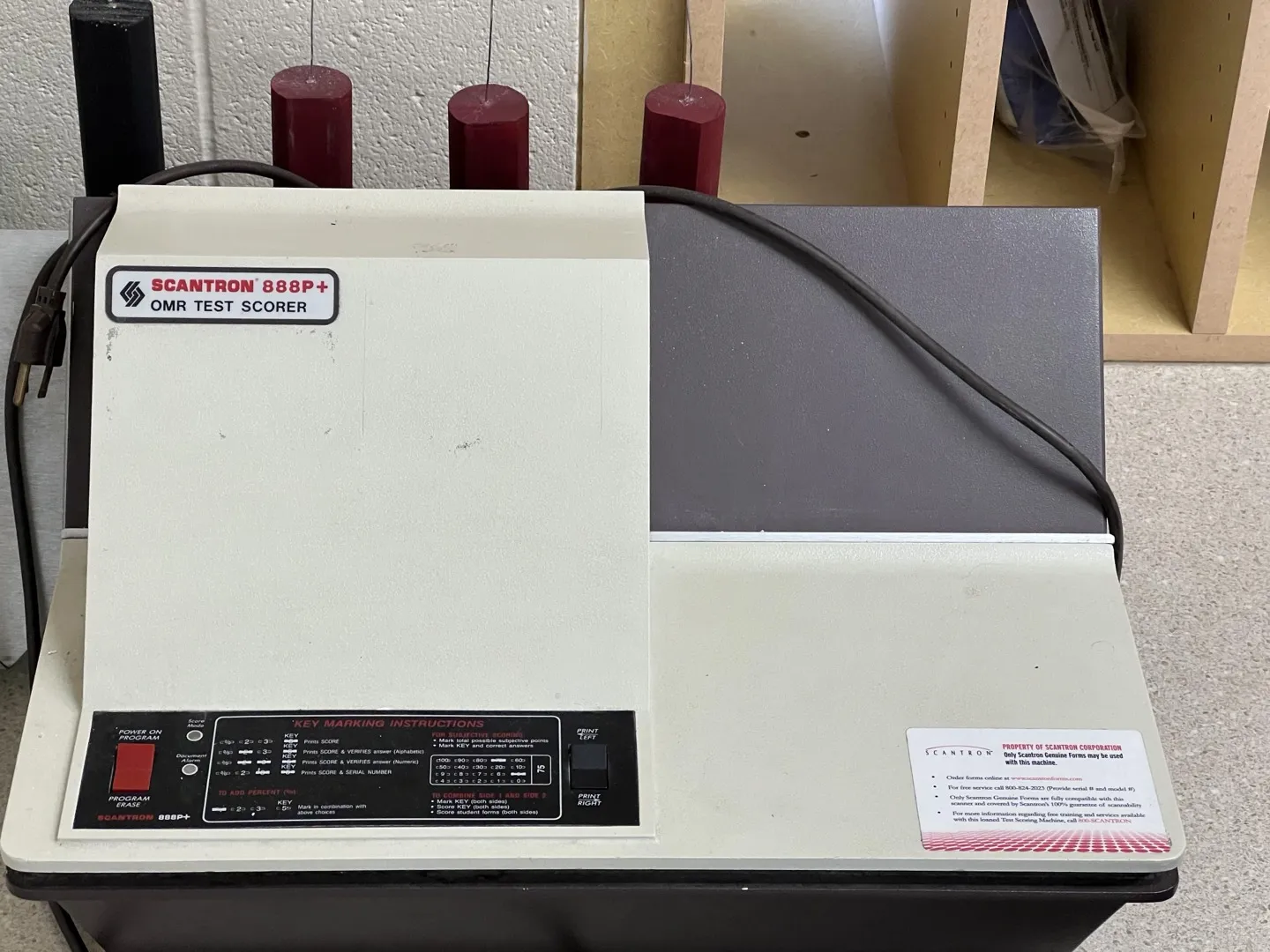
Technology has played an important role in improving psychological assessment. For instance, computer programs have been developed to test differences in cognitive processing in adolescents. Computer-scored tests have also become more accurate than hand-scored tests. Because a large share of testing errors is made by the person who scores the test, psychologists now use computers to administer, score, and interpret psychological tests; by entering results into a computer, they remove a source of human error (Scheu & Lawrence, 2013).
Strengths and Drawbacks of Technology in Psychological Assessment
With technology, assessments are completed on time, and computers are cost-effective. Computerized reports are available soon after a test has been administered, which saves psychologists valuable professional time. Computers also offer more objective and less biased interpretations, because they reduce the likelihood of selective interpretation of the data, and they are less prone to human error, so scoring becomes more accurate.
However, technology has also made it easier for unqualified practitioners to misuse psychological tests. In addition, computer reports may not give the specific information about test takers that a diagnosis requires (Scheu & Lawrence, 2013).
Possible Ethical Issues in the Use of Technology in Psychological Assessment
A lack of awareness of computer-related issues can undermine clinicians’ ability to carry out computerized assessments ethically. Technology can also dehumanize the relationship between professional and client. Computerized assessments may lead to the use of computer test interpretations that have not been validated, and computers may allow unqualified practitioners to carry out psychological assessments (Scheu & Lawrence, 2013).
Ethical Rules on the Use of Technology in Psychological Assessment
Psychologists should ensure that the technology they use protects the privacy and confidentiality of their clients. Practitioners must ensure that every computer-assisted assessment is accurate and valid and that the technology used in testing does not harm their clients. Interpretations produced by computerized assessments should always protect the rights of the individual (APA, 2017, Standard 9.09).
Actions to Reduce Violations of APA Ethical Principles Related to Technology and Psychological Assessment
Psychologists should protect confidentiality, weighing any disclosure against their ethical responsibility to protect clients’ privacy. They should respect individuals’ autonomy by giving clients, from the start, the information they need to give informed consent. Psychologists must also understand what makes a multiple relationship: under the Ethics Code, they avoid relationships that could reasonably be expected to impair their professional performance or to harm the other person (APA, 2017, Standard 3.05; Nicholson, 2011).
Conclusion
In psychological testing, careful administration, scoring, and interpretation are essential to a valid and accurate result. Psychologists should therefore keep improving both their expertise and the technology they use, which helps them deliver accurate and reliable results. They also need to take care not to violate the APA ethical principles, since these principles are the foundation of a sound psychological assessment. Test bias and fairness matter because they determine the reliability, validity, and accuracy of tests. Technology has become vital to psychological assessment, but care must be taken to avoid computer interpretations that have not been validated.