Introduction
Association football or soccer is widely referred to as the world’s game because it is played, watched, and discussed in almost every country in the world. The transformation of a rough 19th-century game out of England into a planetary cultural institution is no straightforward narrative of sporting prowess, but a complex one influenced by empire, migration, economics and media. The sport’s global spread becomes more apparent if we consider the ways in which it spread along the routes of empire, its low cost rendering it accessible to workers, and how modern commercial and media systems amplified its global spread. This essay claims that the globalization of soccer into the game of the world was a product of historical diffusion, economic affordability, and ongoing local adaptation.
Imperial Diffusion and Working-Class Accessibility
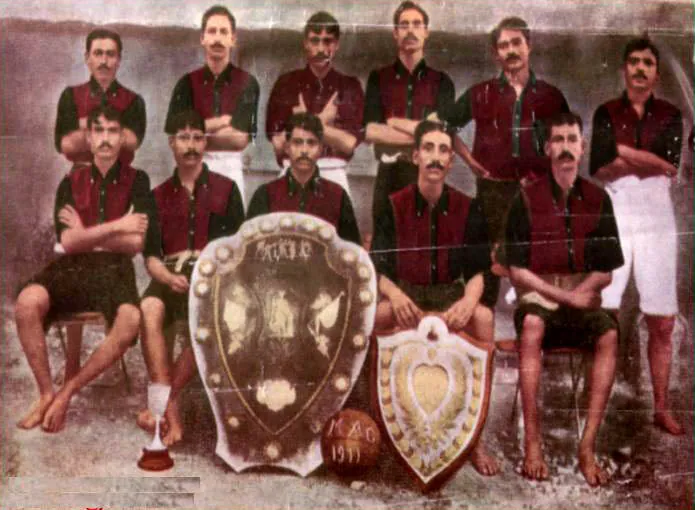
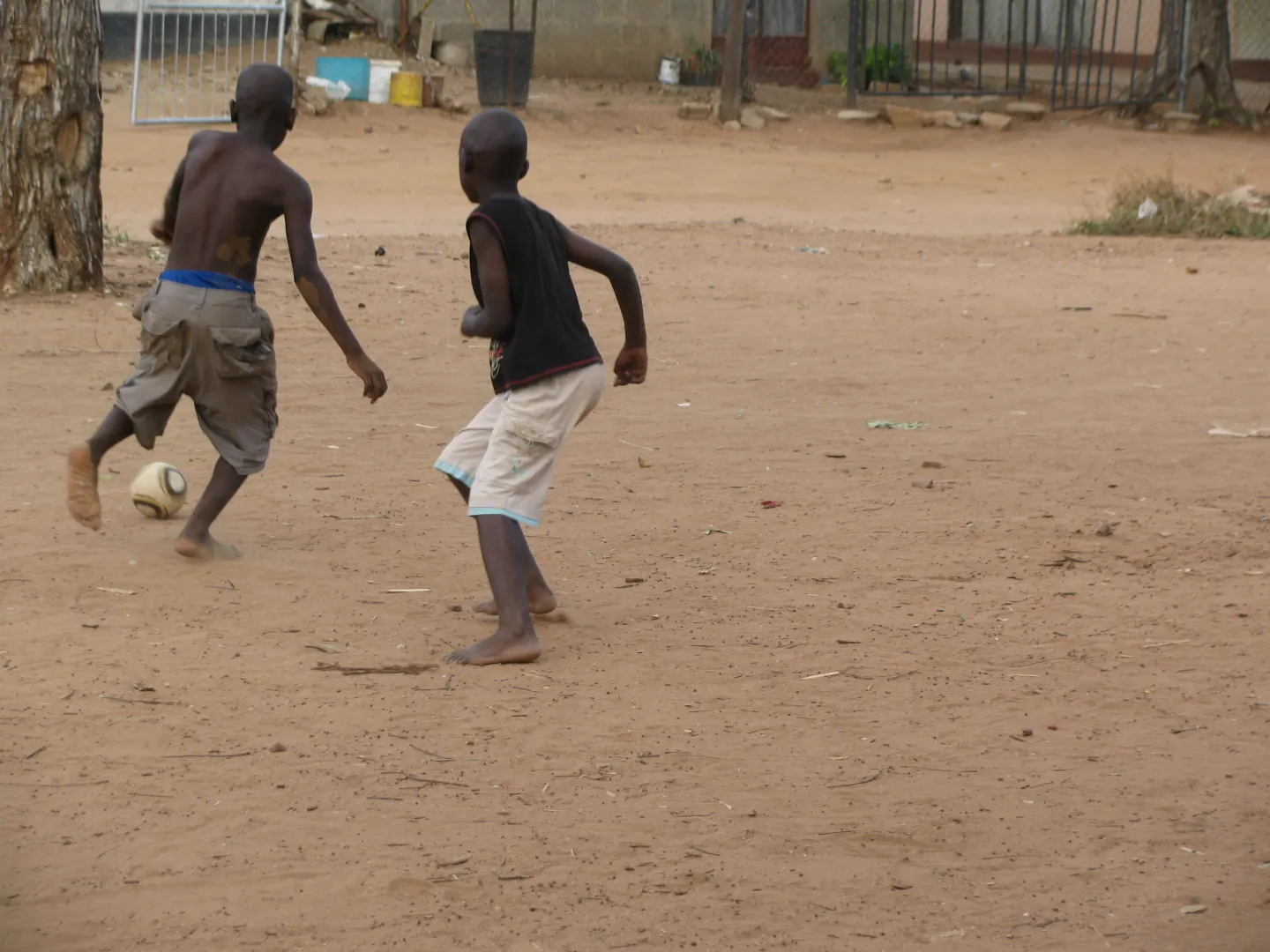
Soccer’s early global spread was closely connected with the expansion of European empires, as British sailors, soldiers, traders and missionaries traveled to Africa, Asia, the Americas, and Oceania to spread the game. For colonial administrators, football was a means of disciplining and entertaining the local population, and they felt it had the potential to redirect their energies toward a more structured competition and strengthen the imperial rule. However, communities who had been colonized were not as eager to adopt the sport on those terms and adapted the rules to create clubs and use the game as a way to show their local identity and rivalry. Soccer has continued to be an interesting topic for historians and the general public. As Cleveland points out, the game has now become embedded in societies outside of England.1 The sport’s unparalleled accessibility was also significant, as it did not require much specialized equipment and could be played in streets, fields or schoolyards by the wealthy or the poor. Its basic rules enabled the new players to get a handle on the game quickly and informal spaces eliminated the need for organized facilities. Soccer’s global spread as a form of popular culture and a game language that transcended continents was due to a combination of imperial transmission and working-class affordability.
Media, Money, and the Globalization of Spectacle
The globalization of soccer began to speed up in the late 20th and early 21st century, as television, corporate sponsorship and transnational media rights turned local games into worldwide events.2 European matches became watchable every week, day and night via satellite television and cable services in Africa, Asia and the Americas, and streaming services followed by the turn of the century which enabled matches to be viewed on phones, laptops and devices. Today, major leagues and international tournaments make huge amounts of money for the owners, catch players from all continents and are communicated to millions of people via the media that did not exist a generation ago. The commercialization is not just a sign of soccer’s popularity, but also a creator of new fans, by bringing matches into households, cafes, and public spaces around the globe. The game is extended beyond the ninety minutes of actual play through advertising, highlight reels, social media and commercial partners. Meanwhile, the riches of European football have given rise to tiers of competition, affecting the flow of talent and where clubs are seen around the world. The result is a sport that is more connected than ever, but also more unequal in its distribution of money, power, and media influence.
Migration, Glocalization, and New Fandom
The current global game is not just characterized by the rise of big corporations, but also by the migration of players, coaches and fans between nations, creating what scholars call glocalization.3 In Japan, football development has also meant both the harmonization of European style of management and play structure, but also concerns about cultural imperialism and local sporting identity, as outlined by Permana and Nugrahani.4 The example shows that globalization is not always unidirectional, from Europe to the rest of the world, as local actors engage in negotiations, opposition, and reconfiguration of global processes. Fandom has also been affected by migration and diaspora, with immigrant communities taking club attachment with them across borders, and forming transnational networks of support. Also, new audiences are reshaping what it means to be a soccer fan, with recent work by Angerer and Alnogemi showing that Saudi female football fans are active users of fandom to achieve social change, negotiate identity, and experience a sense of belonging.5 These developments show that soccer’s global status depends on constant local reinvention, not merely on the authority of its traditional centers.
Conclusion: A Game Still Becoming Global
Soccer became the world’s game because it was carried on the paths of empire, because it required little of its players, and because it was remade by generations of migrants, media, and local communities. Therefore, its history is instead a history of circulation and adaptation, and set against a backdrop of the ongoing interaction between world and local forces and practices. However, the sport’s “present” is also played out, with the clash of commercial, cultural and grassroots power evident in stadiums and screens across the globe. So, if soccer is still the world’s game, it is because of how the game has been re-imagined and created by the billions of people who call it their own.