The legacy of World War II shaped the world we live in today. It resulted in human suffering, changed politics, and physical destruction on an unprecedented scale. Lasting between 1939 and 1945, the war expanded across Europe and Africa as well as Asia, drawing in military and economic resources from around the world. Even though the Axis powers initially achieved remarkable victories, their momentum gradually weakened as the Allies coordinated resistance and mobilized superior resources. Several battles necessarily altered the course of the war by disrupting Axis strategies and shifting the initiative to the Allies. This paper discusses different turning points that shaped the course of World War II, underscoring their significance alongside industrial production and intelligence as well as cooperation.
July 10 – October 31, 1940
The Battle of Britain · Skies over Britain and the English Channel
The Royal Air Force resisted the Luftwaffe, and Britain survived to serve as a base for later Allied operations.
June 4–7, 1942
The Battle of Midway · Central Pacific
American aircraft sank four Japanese aircraft carriers; the United States lost one, and the initiative in the Pacific began to pass to the Allies.
August 1942 – February 2, 1943
The Battle of Stalingrad · Southern Russia
Operation Uranus began on November 19, 1942 and surrounded the German Sixth Army, which surrendered on February 2, 1943.
October 23 – November 4, 1942
The Second Battle of El Alamein · Egypt
British-led forces under Bernard Montgomery drove the Axis troops westward; Allied landings in French North Africa began on November 8, 1942, and the Axis surrendered in North Africa in May 1943.
June 6, 1944
The Normandy landings · German-occupied France
The Allies gained a foothold in France, and the campaign that followed liberated Paris and much of the country.
May – September 1945
The surrenders · Europe and the Pacific
Germany surrendered in May 1945; Japan surrendered later that year, and the formal surrender was signed on September 2.
Dates: Cartwright for the Battle of Britain (the UK Air Ministry’s dates), and Wikipedia’s articles on Midway, Stalingrad, El Alamein, Operation Overlord and the end of World War II. Stalingrad’s start is debated; August 23, 1942 is the most common date. Checked November 7, 2026.
The Battle of Britain
This was an air battle between Germany and Britain for air control of the English Channel. Lasting from July 10 to October 31, 1940, this battle was the first real setback for Nazi Germany1. After the defeat of France, Britain became Germany’s only active opponent in Western Europe. Adolf Hitler hoped that German air attacks might weaken British defenses and create conditions for an invasion. However, the Royal Air Force successfully resisted the Luftwaffe through effective organization and radar technology as well as aircraft production and determined pilots.
Britain’s survival prevented Germany from securing control over Western Europe and preserved an effective base for future Allied operations. This showed that German forces might be restricted2. Even though the battle did not immediately reverse Germany’s continental dominance, it prevented a potentially decisive British defeat and sustained resistance until stronger Allied coalitions emerged.
The Battle of Midway
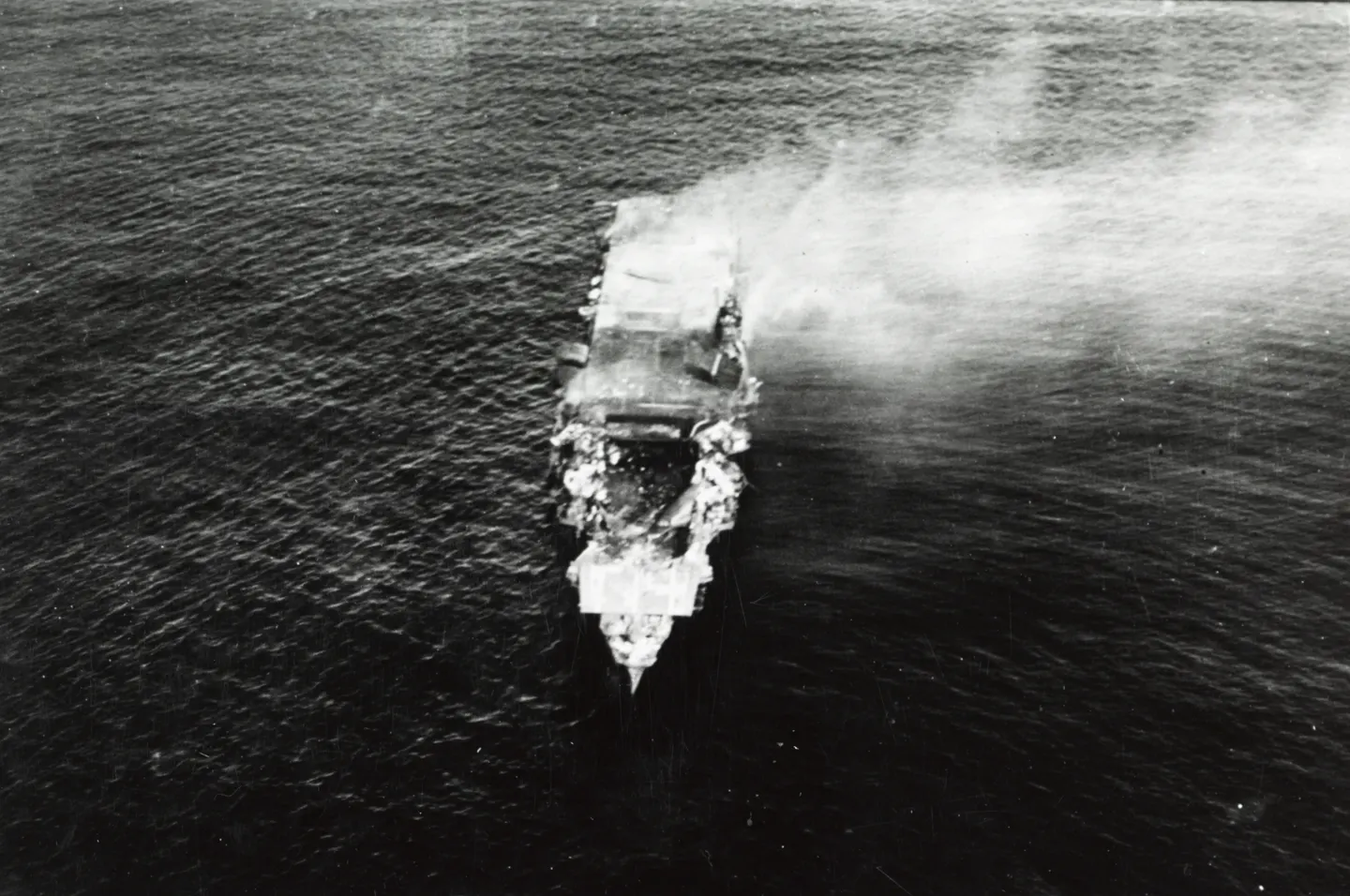
The Battle of Midway in June 1942 marked a major turning point in the Pacific. After they successfully attacked Pearl Harbor on December 7, 1941, the Japanese started a series of strikes against Allied territories in the Pacific3. Such back-to-back victories made the Japanese almost invincible as they expanded their empire and took control of island after island. Japanese commanders sought to destroy American aircraft carriers and reinforce their defensive perimeter by attacking Midway Atoll.
American intelligence specialists helped identify the Japanese objective, which allowed the U.S. forces to prepare an ambush. The American aircraft sank four Japanese aircraft carriers. This led to a major loss that Japan could not replace. The United States lost a carrier, but its greater industrial capacity supported quick recovery. Midway checked Japanese development and reshaped the naval balance4. Japan remained dangerous, but the battle established favorable conditions for subsequent Allied offensives like the Guadalcanal campaign.
The Second Battle of El Alamein
Fought in Egypt between October and November 1942, the Second Battle of El Alamein changed the direction of the North Africa campaign. Axis forces of Italy and Germany under Erwin Rommel had threatened Egypt and the strategically vital Suez Canal5. A successful Axis advance might have interrupted British communications and access to imperial resources.
British-led forces led by Bernard Montgomery started an offensive strategy by substantial supplies and artillery as well as geometric advantages. This victory forced Axis troops to retreat westward. However, Allied landings in French North Africa placed more pressure on German and Italian forces6. Such developments contributed to the Axis surrender in North Africa in May 1943. El Alamein hence helped secure Egypt and opened opportunities for Allied operations against Italy. This was a position that, unlike others in the desert, might not be turned by a flanking manoeuvre.
The Battle of Stalingrad
The Battle of Stalingrad was a major battle on the Eastern Front of World War II in which Nazi Germany and its Axis allies fought the Soviet Union for control of Stalingrad city in southern Russia7. Germany sought control of the city as part of its southern campaign that also targeted access to Soviet oil resources. Fighting developed into brutal urban warfare with enormous military and civilian losses.
The key change came when Soviet forces started Operation Uranus to attack weaker formations protecting the German flanks and surround the Sixth Army. The Germans tried to relieve the trapped troops but failed, and the remaining forces surrendered. Stalingrad destroyed a major German army and damaged the image of German strength8. It also reinforced Soviet confidence and helped shift the strategic initiative eastward, even though further challenging campaigns remained essential.
The Normandy Invasion
The Normandy landings on June 6, 1944 led to a major Allied foothold in German-occupied France. Supported by naval power and air superiority as well as extensive planning and deception, Allied troops overcame coastal defenses and slowly expanded their positions9. The subsequent campaign allowed the liberation of Paris and much of France.
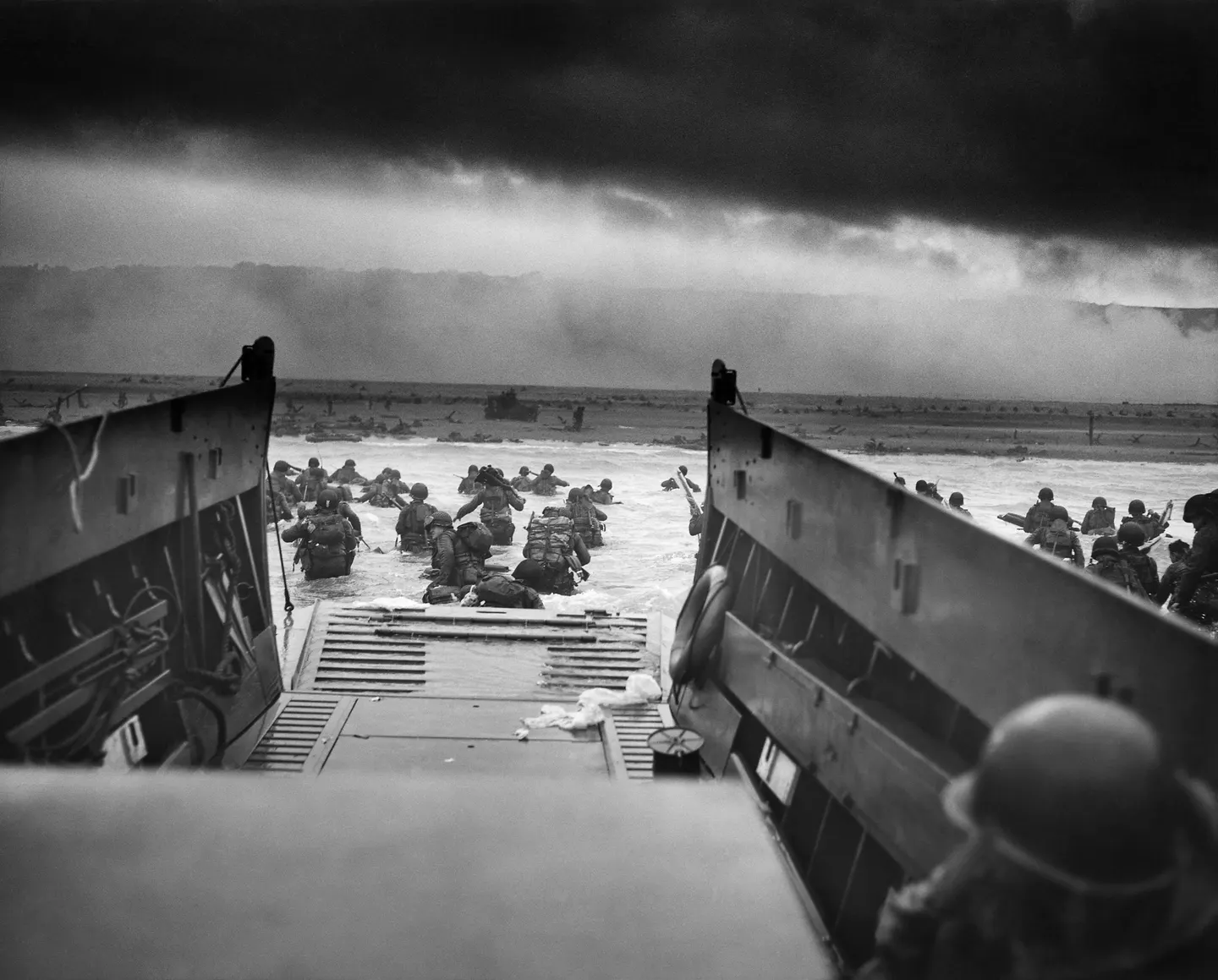
Normandy forced Germany to confront powerful armies advancing from east and west, intensifying its military difficulties10. A single battle could not secure victory. Allied industrial output and intelligence as well as supply networks and cooperation made battlefield success sustainable.
Conclusion
These turning points generally weakened the Axis’s capabilities and prevented further development. They allowed a sustained Allied advancement that gradually weakened the Axis powers. The combined effect of the turning points culminated in Germany’s surrender in May 1945 and Japan’s surrender later that year, ending the conflict.