
Climate change is the long-term shift in weather patterns such as the general increase in global temperatures (National Aeronautics and Space Administration, 2024). Weather is the state of the atmosphere at any given hour, day or week, including temperature, rain and humidity, among others. Climate on the other hand is the weather pattern of a region over a long period of time such as 30 years or more. When these patterns change, such as an increase in the length of the dry season or rise in average temperatures, it is known as climate change. This phenomenon can occur naturally over a very long period due to factors like changes in Earth’s orbit, but the current climate change is caused by human activities.
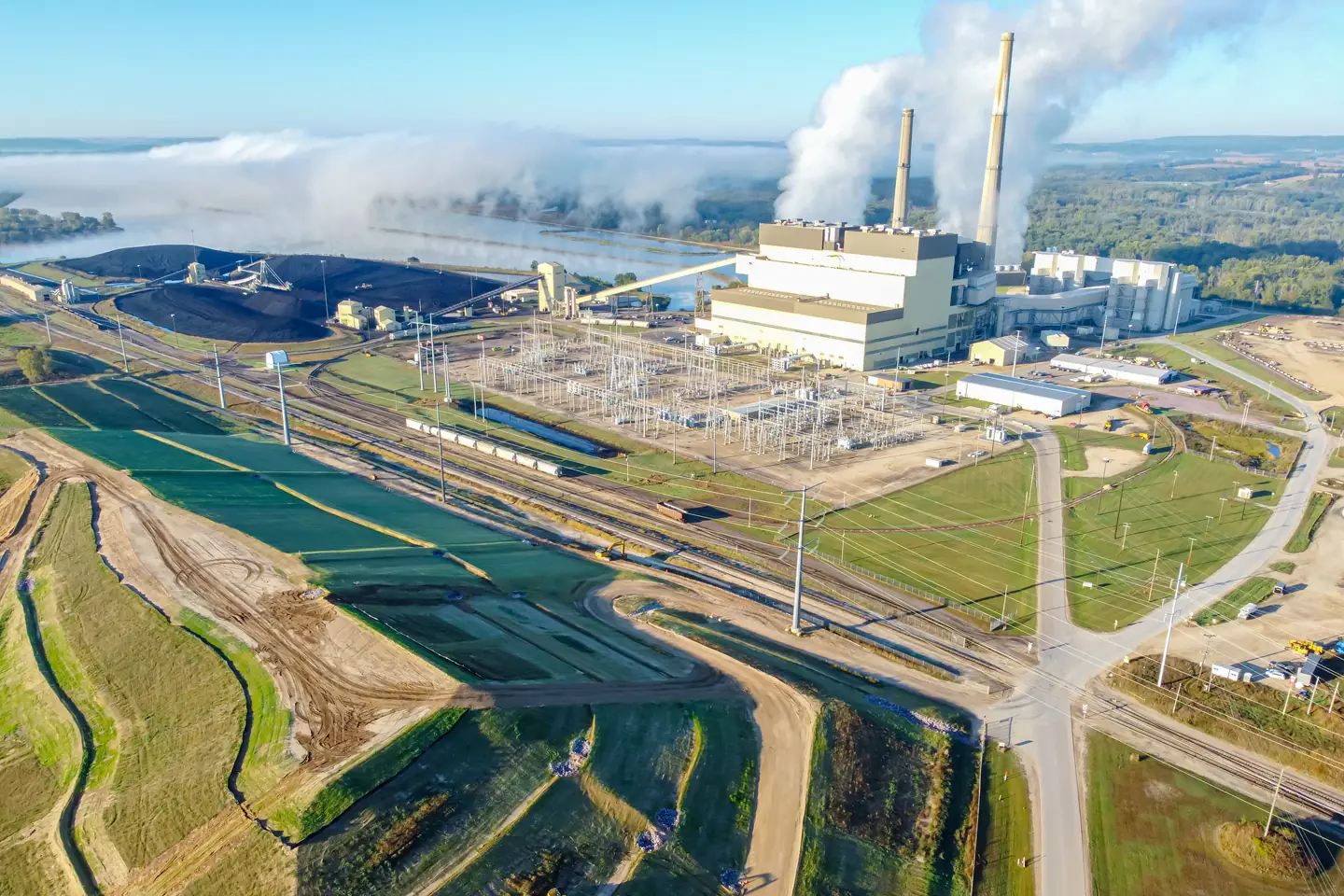
The major cause of climate change today is the increased emission of greenhouse gases into the atmosphere. Greenhouse gases cause the retention of heat that would otherwise have escaped into space, causing a slow rise in global temperatures. Greenhouse gases produced largely as a result of human activities include carbon dioxide (CO₂), methane (CH₄) and nitrous oxide (N₂O) (Intergovernmental Panel on Climate Change [IPCC], 2023). Carbon dioxide is the main greenhouse gas credited for most of the climate change and it is released through the burning of fossil fuels such as coal, oil and natural gas. Increased deforestation also contributes to an increase in CO₂ levels because it reduces the capacity of the natural environment to absorb excess carbon. In 2023, emissions from fossil fuels and industry were projected to reach about 36.8 billion metric tons of CO₂, a record high (Friedlingstein et al., 2023). Methane release into the atmosphere is primarily caused by activities such as oil, gas and coal production, waste dumping and livestock farming. On the other hand, human-caused nitrous oxide is mainly a result of agricultural activities such as the application of nitrogen-based fertilizers. These activities are vital in economic development and thus difficult to control with the world’s population continuously growing. As more gases are released, the heat trapped in Earth’s atmosphere increases leading to climate change.
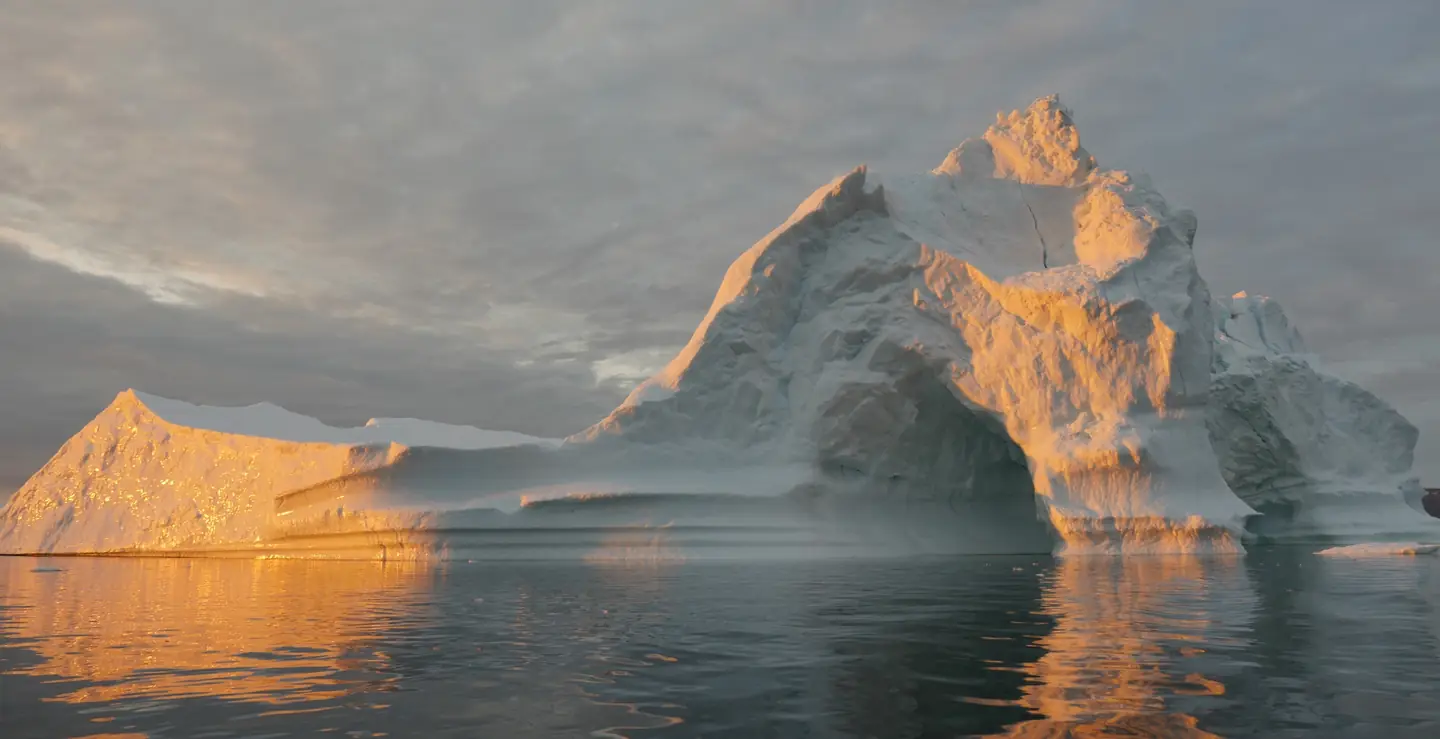
The effects of climate change are more visible and measurable today. Across various regions in the world, there have been occurrences of frequent and intense heatwaves, heavy rainfall causing floods, droughts, as well as a growing share of strong tropical cyclones (IPCC, 2023). An example is the summer of 2026, when Western Europe had its hottest June–July period on record, North America had its warmest July on record, and large wildfires burned in western Europe, the western United States and Canada (World Meteorological Organization, 2026). Another effect is the rising of the sea level as glaciers and ice sheets melt and warming ocean water expands. Recent reports show that between 1901 and 2018, the sea level increased by 0.2 meters as a result of global warming and the rate is increasing (Canadell et al., 2021). The overall or combined effect of these occurrences is the loss of biodiversity and species. Floods, rising sea levels, extreme heatwaves and wildfires destroy natural habitats, making the survival of species more challenging. Experts estimate that up to a million species are at risk of extinction in the next few decades if the climate change trend is not reversed or reduced (United Nations, n.d.). This makes it urgent to develop and implement solutions.
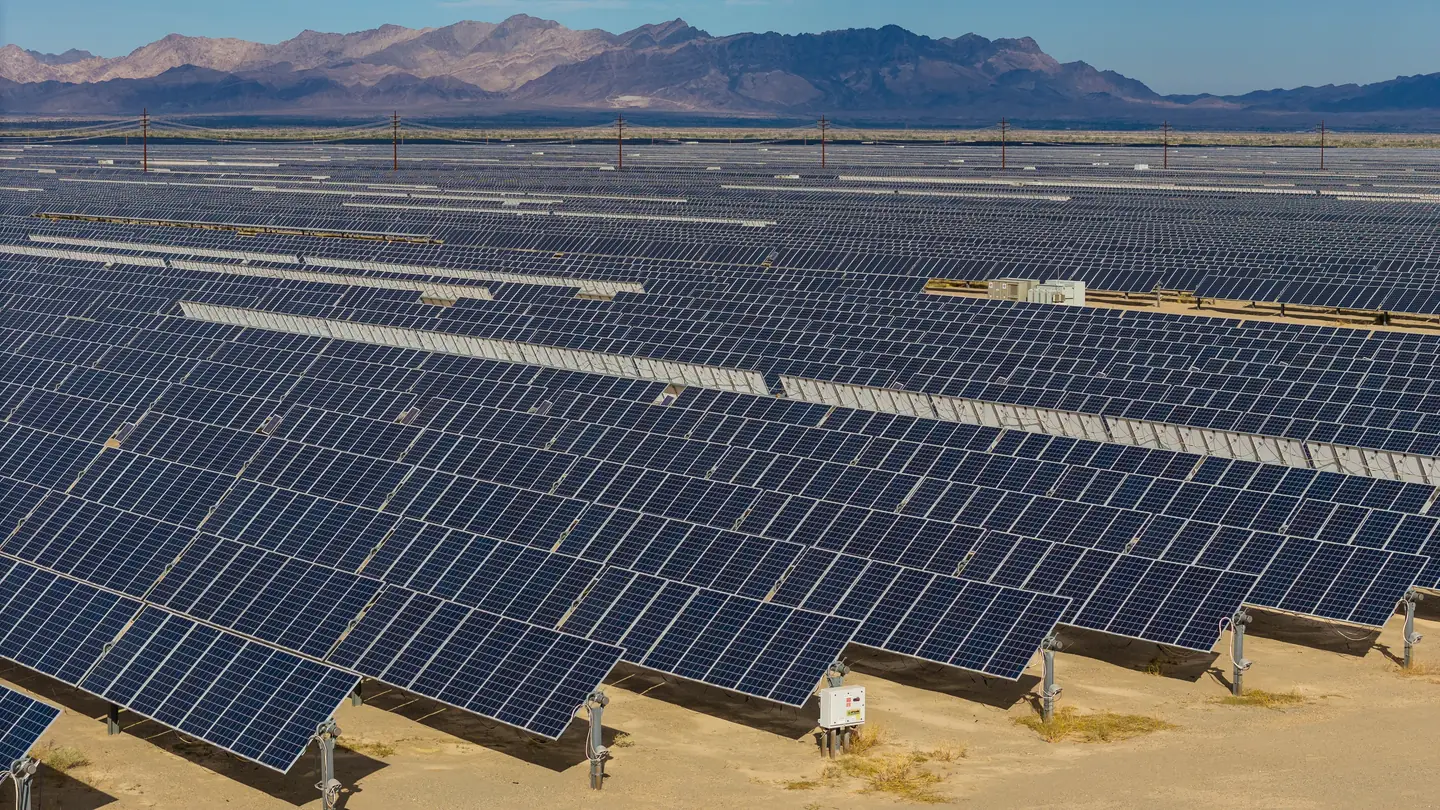
The solution to climate change requires changes that will effectively reduce greenhouse gas emissions and manage the environment to absorb most of the gases. The key solution is encouraging the shift from non-renewable energy such as fossil fuels to renewable ones such as solar and wind energy. Renewable sources of energy generate electricity with little emission of CO₂ compared to fossil fuels. This is a scalable solution given that low costs, especially for solar panels, are speeding up their adoption (International Energy Agency, 2025). Furthermore, this policy can be encouraged through carbon pricing, where industries are charged a cost based on how much greenhouse gases they emit. This would encourage them to invest in renewable energy for long term savings rather than paying the cost. It is also important to increase energy efficiency in buildings, industries and the transport sector to lower the demand for energy. For example, buildings with a natural flow of light and air reduce the need to use electricity for lighting and cooling during the day. In addition, ending deforestation and illegal logging, replanting trees, and conserving ecosystems such as wetlands will help revive the natural carbon sinks and reduce the amount of CO₂ in the atmosphere. However, these efforts require proper coordination between the developing and developed countries to ensure shared responsibility. This is especially important because climate change is a global problem that requires universal solutions.
Scientific evidence currently confirms that climate change is taking place as a result of human activities. The devastating effects of the change have also been witnessed across the world, making it urgent to implement solutions. The shift from fossil fuels, investment in energy efficiency, and restoration of carbon sinks globally can, however, slow down the trend. Collaboration between governments, organizations and individuals is important to drive these remedies, and the decisions made today will determine how severe the impacts become for future generations.