In contrast to other non-competitive gaming, Esports relies on teamwork and hand-eye coordination. Fans are able to stream the live games through platforms such as YouTube and Twitch. Specifically, top players compete for brand sponsorship, lucrative salary contracts, and the highest accolades. In scheduled matches and leagues, amateur and professional players compete. While professional organizations compete across multiple games, provide coaching and sign players, game developers often set rules and run official circuits for their titles. However, opponents argue that video games are not a sport, since they do not involve much physical exertion. That is not a valid argument, because professional gaming requires concentration, coordination, discipline, and competitive endeavor. Esports should be considered a real sport because it demands certain skills, organization, teamwork, and long practice and dedication from the players.
Argument
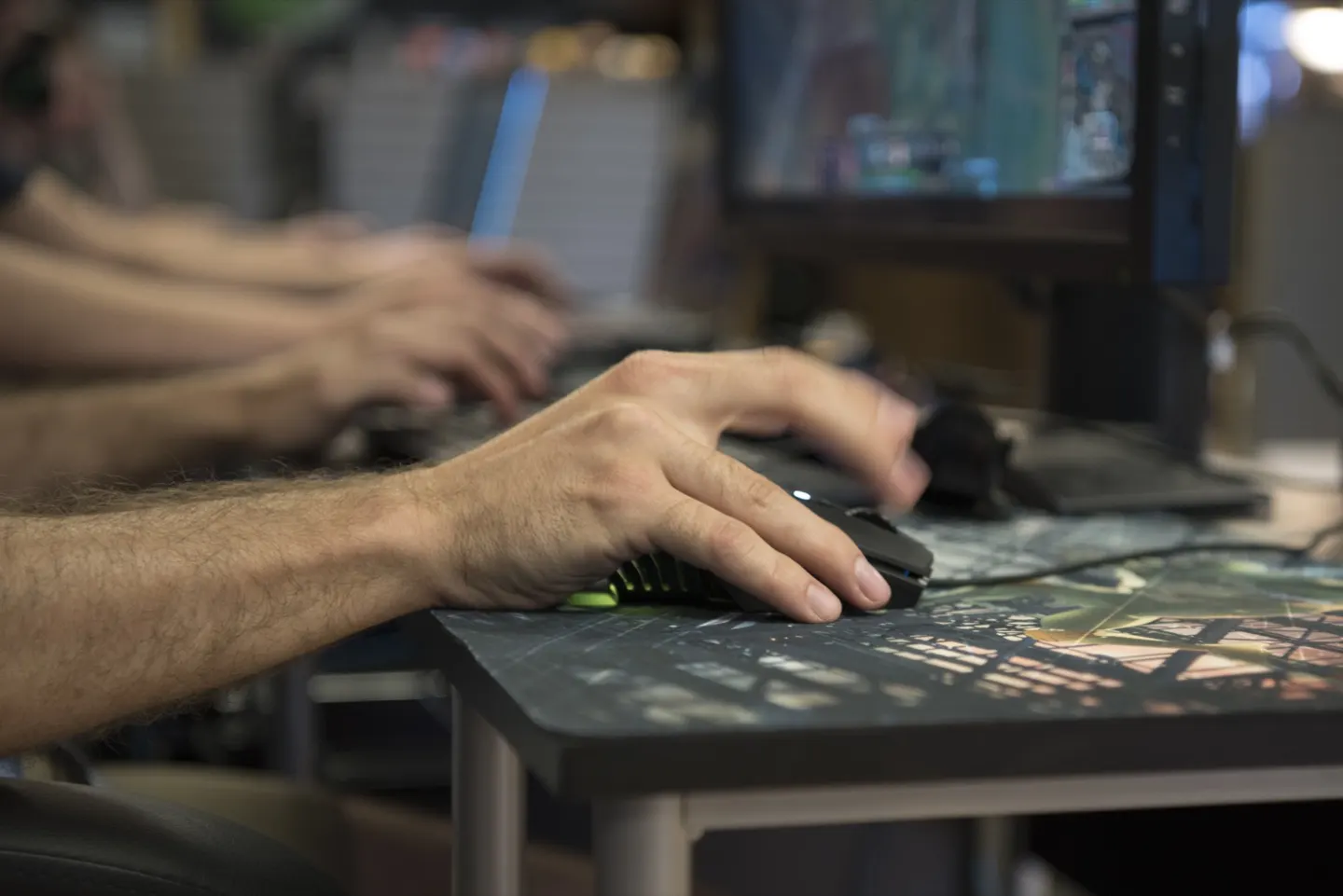
Concentrating, making rapid decisions and having hand-eye coordination are skills that are typically needed in competitive sports, and they are also essential in esports. The contestants should act rapidly to make split-second decisions and process visual information effectively. It has qualification rounds, coaches, and winners and losers are well defined. To be successful, participants need to understand and adhere to rules and demonstrate their skills in comparison to other gamers (Lu et al. 836).
Universities have competitive teams and resources that enable students to compete on behalf of their institution in games. In the United States, Cote et al. (240) discuss the experiences of college athletes, student employees, program administrators, and program directors in college esports programs. The study shows that competitive gaming involves organized practice, social relations, institutional resources, and interaction between various players (Cote et al. 229-50). Anyone who is competitive in a game, whether it be any sport, has to spend a lot of time and energy optimizing themselves.
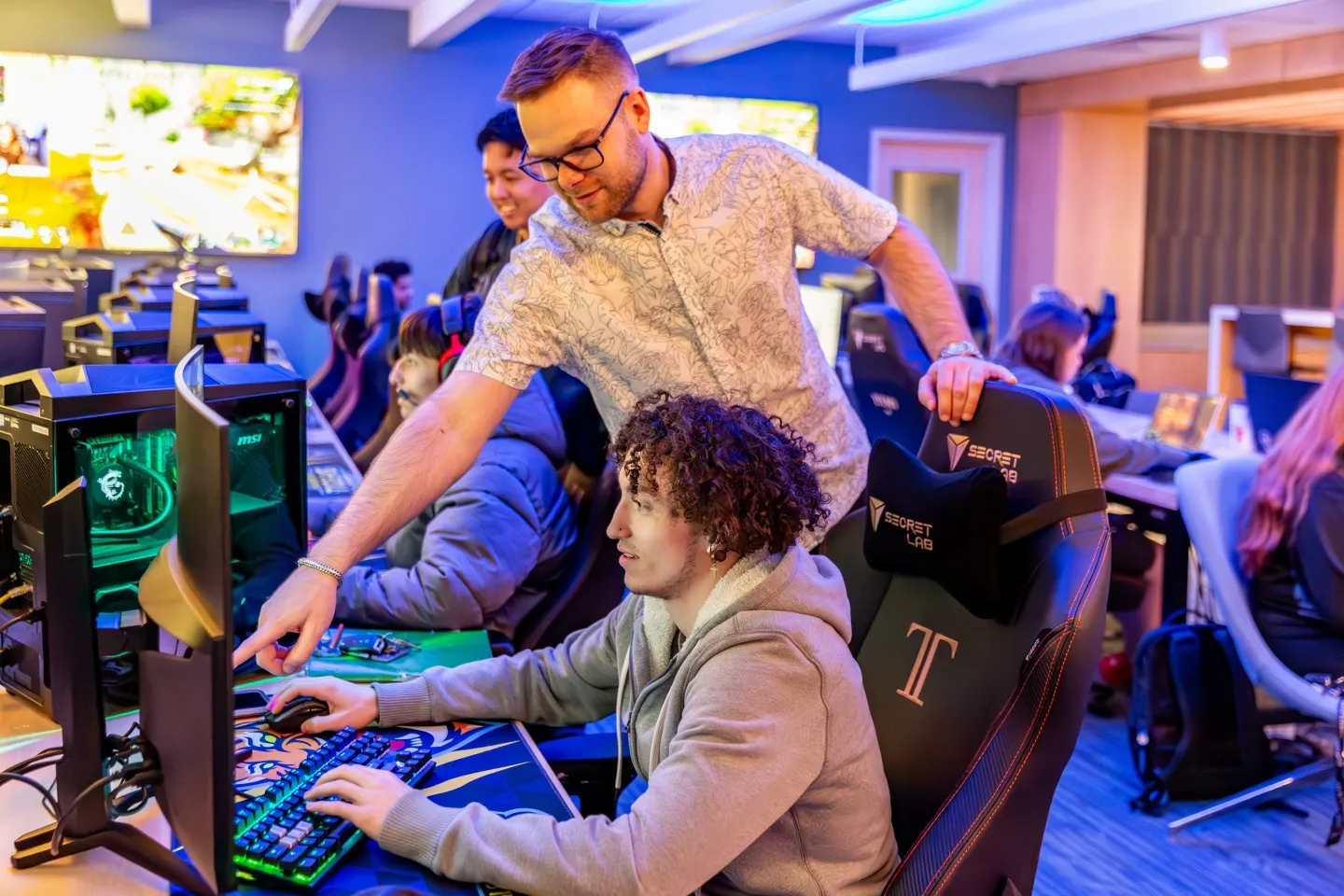
Acknowledging esports as a sport would provide great opportunities for youngsters, particularly students who may not be strong in terms of traditional sports. Not all students are physically capable or interested in playing football, basketball, or athletics. Others have extraordinary technological, strategic, and coordination abilities which may enable them to excel in competitive gaming. There are opportunities for employment in the gaming industry, such as coaching or professional sports careers, as well as scholarships, through organized competitions. Lu et al. (850) outline the evolution of collegiate esports programs via collegiate–organizational partnership-building, where competitive gaming is increasingly recognized as an institutional phenomenon. Hence, a recognition of esports would enable more learners to take part in organised competitions and nurture skills that may not have been identified.
Counterargument
Despite its benefits, there are those who argue that esports is not a sport because it is not physically demanding. Some traditional sports like football, swimming, and basketball demand running, jumping, and a build of physical strength and cardiovascular fitness. In contrast, esports players spend the majority of their time sitting in front of their computer, keyboard, or gaming controller. Excessive gaming can lead to physical inactivity, eye strain, lack of sleep, and other health issues. Delello et al. (20) review the positive and negative effects of collegiate involvement in sports-related gaming to develop a framework for the discussion of possible health and well-being issues related to competitive gaming.
Rebuttal
While these are valid concerns, they are not enough to deem esports ineligible for the sporting category. Physical, mental, and technical skills are required for different combinations of sports. In the game of archery and in competitive shooting, there is a need for concentration, accuracy, and coordination rather than continuous action. Similarly, players in esports must make quick decisions, make accurate judgments, and focus for long periods to achieve success. In addition, the potential health threats from excessive gaming can be minimized by engaging in regular physical activity, having proper training programs and schedules, eating healthy, and getting proper rest (Cote et al. 240). Rather than condemning esports as a departure from the traditional sport, society must be aware of the specific competitive needs of the sport and promote a healthy involvement in it.
Conclusion
To sum up, Esports would be considered a valid sport due to the specialized skills, the competition, teamwork, discipline, and training involved in the sport. Competitive gaming is not as physically demanding as many other sports, but it does call for concentration, coordination, strategic thinking, and decision-making. Also, if esports were recognised, it would give youth more opportunities to build their skills and make a competitive career in their field. The concept of sport is changing as technology continues to reshape society, and so must the definition of sport. Thus, it is highly recommended that esports be recognized as a sporting activity alongside conventional sports since it involves competition and requires dedication and commitment from the players.
The claim
Esports should be considered a real sport because it demands skills, organization, teamwork, long practice and dedication from the players.
Reason one: the skills
Concentration, split-second decisions and hand-eye coordination, with qualification rounds, coaches, rules and clearly defined winners and losers (Lu et al.).
Reason two: the organization
Universities run competitive teams with organized practice, social relations and institutional resources, much as they do for other sports (Cote et al.).
Reason three: the opportunities
Recognition would give students who are not strong in traditional sports a route to organized competition, scholarships, coaching and careers (Lu et al.).
The counterargument
Esports is not physically demanding: players sit for hours, and excessive gaming can bring inactivity, eye strain and lost sleep (Delello et al.).
The rebuttal
Archery and competitive shooting also rest on concentration and accuracy rather than constant movement, and the health risks shrink with exercise, training schedules, healthy eating and rest (Cote et al.).
The conclusion
As technology reshapes society, the definition of sport has to change too, so esports should be recognized alongside conventional sports.
Diagram by Writers Per Hour, summarising the essay’s argument, objection and reply. Every part is taken from the essay’s own words and citations.