Introduction
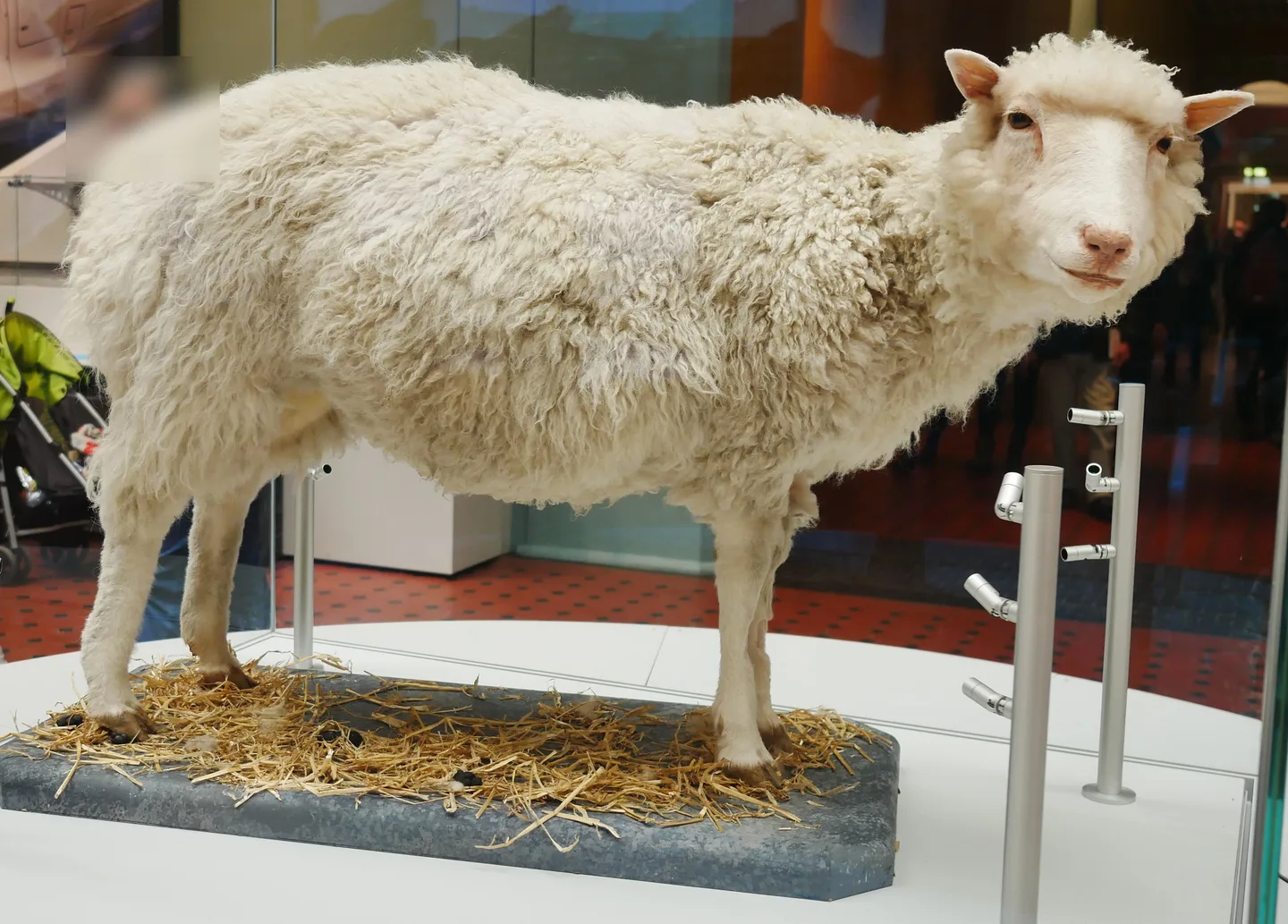
Human cloning refers to the application of the somatic cell nuclear transfer (SCNT) technique, which was used to produce Dolly the sheep in 1996, to make a genetic copy of a human being or to generate human embryonic stem cells (Gillis & de Melo-Martín, 2015). The technique is the same in research cloning and reproductive cloning but the objectives are different. Thus, they can only be evaluated individually. The most serious objection to reproductive cloning is the physical danger to the cloned child; research cloning raises difficult questions about the moral status of the embryo and the safety of the egg donors.
Empty a donated egg
The nucleus, which holds nearly all of the egg’s DNA, is removed from an egg given by a donor.
Add the body cell’s nucleus
DNA from an ordinary body cell of the person or animal to be copied is put into the empty egg, by injecting the nucleus or by fusing the whole cell with the egg.
Let an early embryo grow
In the laboratory the egg is allowed to develop into an early-stage embryo that is genetically a match for the body cell’s donor.
Then the two kinds of cloning part ways
Research cloning
The aim is to obtain human embryonic stem cells, to study disease and to develop treatments that a patient’s body would be unlikely to reject.
The embryo is used for its cells, and obtaining them destroys it.
The essay’s questions
- Moral status of the embryo
- Safety of the egg donors
Reproductive cloning
The aim is a child who is a genetic copy of the body cell’s donor, for example for couples who cannot have a child otherwise or who wish to avoid passing on a genetic condition.
The embryo is placed in a womb so that the pregnancy can continue.
The essay’s questions
- Physical danger to the cloned child
- Psychological harm
- Harm to society
Diagram by Writers Per Hour, drawn from the essay’s own account of the two kinds of cloning and from the National Human Genome Research Institute’s Cloning Fact Sheet (steps of nuclear transfer; reproductive and therapeutic cloning share techniques but serve different purposes) and Park et al. (2024) (embryonic stem cells are harvested from embryos, which destroys the embryo).
Research Cloning
The goal of research cloning is to produce human embryonic stem cells. These cells are used by scientists to learn more about diseases and to create new treatments. A patient’s own cells would be genetically identical to the patient. The immune system would thus be unlikely to reject them. Thousands of people in the United States die each year because they cannot get an organ or cell transplant. This is why, if regenerative medicine is successful, it would address a serious need. It may also help to decrease the need for animals raised for organ transplants and the illicit trade of human organs, which has been reported in China and India (Gillis & de Melo-Martín, 2015).
The main argument against research cloning is the moral status of the embryo. Current methods of getting stem cells destroy the embryo (Park et al., 2024). This is why there is disagreement concerning the nature of an embryo. Some opponents argue that an embryo is a full-fledged person and that killing it is akin to killing a human being. Others concede that an embryo is not yet a person, but argue that it has the potential to be one and therefore it is treated as a person. Others say that on the other side, an embryo is not different from any other human cell and that personhood is at birth. There are others that feel that embryos are of special value and should be respected, but not to the point that any research with potential for significant medical benefits should be prohibited. Philosophers typically argue that it is necessary for a person to be able to feel pain, think rationally, and act freely and that an early embryo lacks all three of these capacities (Gillis & de Melo-Martín, 2015).
The second issue is the safety of the egg donors, the women. Donors receive hormone injections, frequent visits to doctors and undergo a surgical procedure. Side effects include swelling, mood swings and bruising. Ovarian hyperstimulation syndrome is a more serious condition that occurs less often, and can lead to permanent damage or even death. Risks associated with the surgery include infection and injury to other organs. Most of the studies lasted a short period of time, and studies indicate that the drugs do not increase the risk of cancer. Consequently, the long-term effects are not well known. Also, it is feared that women with lower incomes might be coerced into selling for money (Gillis & de Melo-Martín, 2015).
Reproductive Cloning
There are two primary reasons provided by people who favor reproductive cloning. One is infertility, which impacts 7 to 10 percent of women of childbearing age in the United States and can be emotionally devastating. The second is to help couples to prevent the transmission of a genetic condition, for example, Huntington’s (Gillis & de Melo-Martín, 2015).
There has been some contestation for both reasons. Infertility is not life threatening; it does not greatly limit a person’s opportunities. There are other choices for those who have an issue with infertility. Infertility is preventable as its causes include workplace hazards, pollution and sexually transmitted infections. Cloning could thus divert funds from prevention. It also may contribute to the pressure on women to have genetic children. Similarly, couples who are concerned about the risk of genetic disease can use donated eggs or sperm or IVF with preimplantation diagnosis. It is not possible to assume that cloning would be less expensive or more effective than these techniques (Gillis & de Melo-Martín, 2015).
Opponents mention three types of harm. One is the physical damage to the cloned child. The creation of Dolly was a success only after 277 attempts and human cloning may result in many deaths before or after birth and severe abnormalities. Also, it is difficult to secure truly informed consent in view of the uncertainty of the science. But, with every new technology there is some uncertainty. This worry primarily requires careful animal studies, particularly for primates, prior to any attempt on humans (Gillis & de Melo-Martín, 2015).
The second type of damage is psychological. Some are afraid that a cloned child would not have a sense of individuality. This fear is based on the premise that genes determine who we are. In fact, individuals grow in a combination of their environment and their genes. Identical twins share almost the same genes, but they have different interests, relationships and choices. Cloned children would also be valued only as a means to an end, according to critics. But it is not impossible for other people to value a person for his or her own sake (Gillis & de Melo-Martín, 2015).
Harm to society is the third type of harm. Others think cloning would destroy the family as the child could be raised by one parent or up to seven parents. They also claim that it would create a confusion about who is a mother, father or sibling. The article responds that these concerns were also raised at the time of the introduction of IVF. It also states that they believe that the nuclear family is the ideal family, but in all of history people have raised happy and productive children in various family configurations. Some also worry that cloning could lead to a diminished appreciation of human life because people would appear to be replaceable or “made to order.” This also assumes that genes determine a person’s characteristics. For instance, if there were a clone of LeBron James, it would not be guaranteed to be a great basketball player since his environment and choices were just as important as his genes (Gillis & de Melo-Martín, 2015).
Conclusion
Whether cloning is therapeutic or reproductive, the ethics of human cloning is dependent on the type of cloning being discussed. There are difficult questions that research cloning poses about the embryo itself and about egg donors, which must be considered in the light of its medical promise. Reproductive cloning has weak support as there are already other alternatives available and many of the arguments against reproductive cloning are based on the assumption that genes determine everything. Its most serious is the physical danger to the child, which is not a problem of cloning per se but of today’s science.