Introduction
Stem cell research is a scientific study, which involves using stem cells to create treatments and therapies that can replace damaged cells and tissues. Stem cell research is one of the most important, promising and controversial developments in the modern era (Hussen et al., 2024). The technology offers promise for new medical treatments. A stem cell is a special type of cell with two important properties: it can renew itself, and it can become new cells that do different things, in a process called differentiation. Stem cells are found in many body tissues, and they are vital for cell maintenance and repair after injury.
Research using stem cells has opened the door for the development of treatments for diseases like Parkinson’s, diabetes, spinal cord damage and heart diseases (Poliwoda et al., 2022). Although the development of stem cell technology has very important medical promise, there are also ethical and social issues associated with this technology. The main objective of this paper is to discuss the medical advantages of stem cell technology and its ethical challenges.
Embryonic stem cellsPluripotent
- Comes from
- The inner cell mass of an embryo a few days old (a blastocyst), mostly embryos made by in vitro fertilization, no longer needed and donated with consent.
- Can become
- All the cell types of the adult body.
- Embryo used?
- Yes: the usual way of deriving them destroys the embryo.
Adult (somatic) stem cellsMultipotent
- Comes from
- Small numbers of cells in many tissues and organs, such as bone marrow, blood, the brain, muscle and skin.
- Can become
- The specialized cell types of their own tissue: blood stem cells, for example, make every kind of blood cell.
- Embryo used?
- No: they are taken from a person’s tissue, such as bone marrow.
Induced pluripotent stem cells (iPSCs)Pluripotent
- Comes from
- Adult cells, such as skin or blood cells, reprogrammed in the laboratory into a state like that of embryonic stem cells; first made from human cells in 2007.
- Can become
- All the cell types of the adult body, like embryonic stem cells.
- Embryo used?
- No: they are made from adult cells.
Understanding Stem Cells and Their Medical Potential
One of the greatest promises of stem cell research is regenerative medicine, which mostly focuses on replacing and repairing damaged cells, tissues, and organs. Today, scientists are investigating whether nerve cells grown from stem cells can replace the dopamine-producing neurons lost in patients with Parkinson’s disease. At the same time, insulin-producing cells grown from stem cells are being tested in clinical trials as a possible treatment for people with type 1 diabetes.
For decades, hematopoietic stem cell transplantation has been applied in the treatment of certain blood cancers and disorders, including leukemia and lymphoma (Poliwoda et al., 2022). This long-established treatment demonstrates that stem cells can provide meaningful medical benefits when supported by scientific evidence and appropriate clinical practices.
Promise for Disease Treatment and Scientific Discovery
The research on stem cells could revolutionize the healthcare industry by helping to solve problems for which medication has yet to provide solutions. Regenerative medicine differs from traditional treatments which only target symptoms, regenerative medicine technology aims to replace impaired biological function (Dutra Alves et al., 2025).
When the spinal cord is injured, its damaged nerve fibers regrow very poorly, so the loss of function is often permanent. Scientists are studying whether transplanted stem-cell-derived cells could assist in repairing nerves and enhancing neurological function. These treatments are still in their preliminary stages, but they do offer hope for medical research.
The other great advantage is drug development. Stem cells can be grown in a laboratory and turned into specific types of human cells, such as heart or liver cells, and scientists can observe how these cells react to possible medicines. This can potentially help researchers determine the harmful effects of the drugs and gain insight into mechanisms behind the disease before going into human clinical trials. It could also help to lessen the need for animal testing in some research environments.
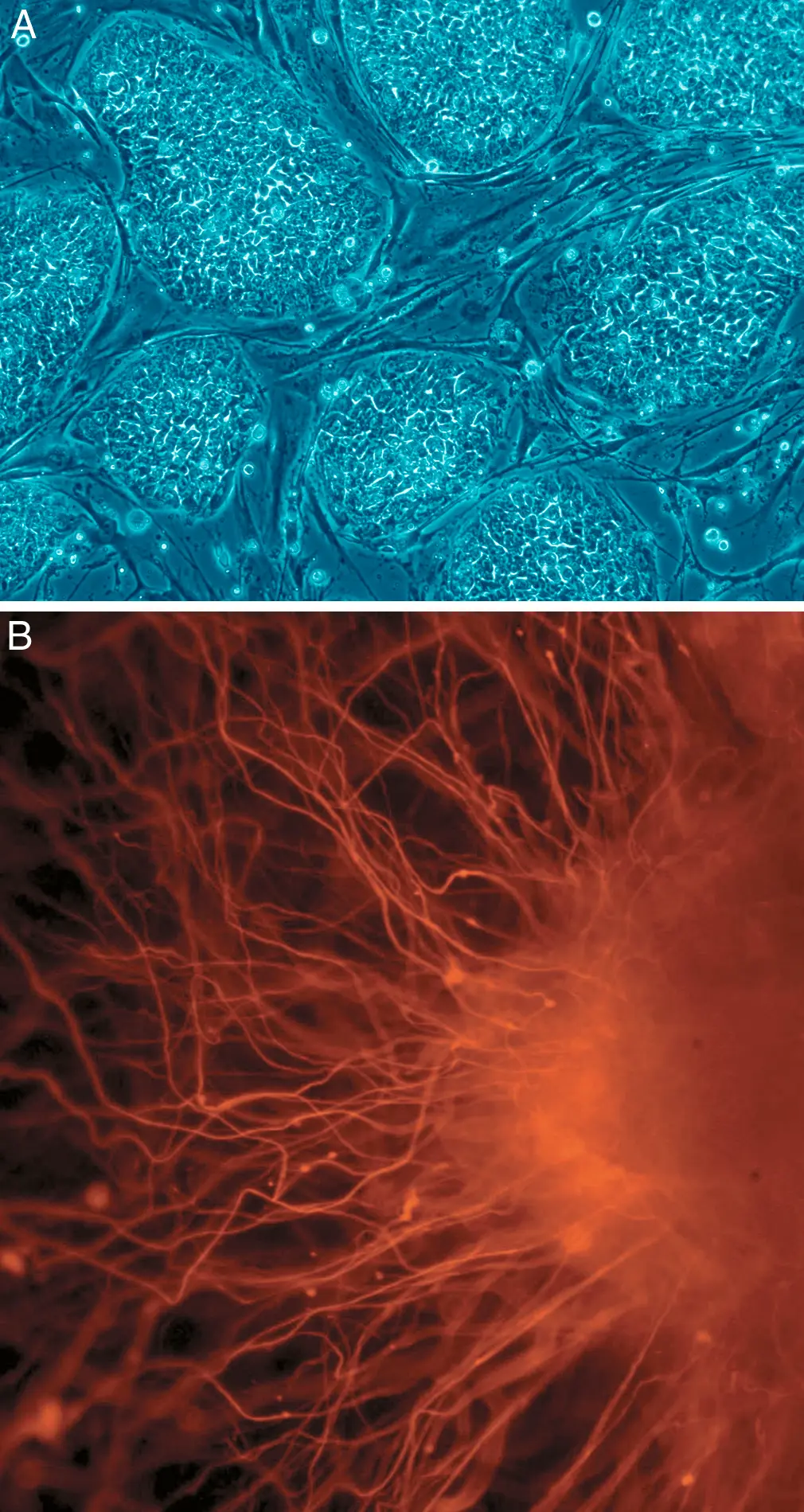
Ethical Controversies Surrounding Stem Cell Research
Human embryonic stem cells are usually derived from early-stage embryos donated after in vitro fertilization, and the usual method destroys the embryo, raising questions as to when human life begins and whether or not embryos have moral rights. This debate concerns embryonic stem cells only: adult stem cells and induced pluripotent stem cells are obtained without using embryos. Some people opposed to embryonic stem cell research say that human embryos are at the beginning of human development and should be treated as human beings. On this view, even if the research is likely to yield medical benefits, it is impermissible to kill embryos for science. Some religious and ethical traditions emphasize the protection of human life from its beginning.
Supporters argue that research on early-stage embryos can be ethically justified if it is strictly regulated: Nicolas et al. (2021), for example, propose that oversight should become stricter as the embryo, or the embryo model grown from stem cells, becomes more complete and more developed. In addition, people who donate embryos, tissues, or cells should be informed about what is to be done with their biological material. Researchers need to respect the privacy of donors and ensure their participation is voluntary.
Established treatment
Proven over decades of clinical use and part of standard care.
Blood stem cell (hematopoietic) transplantsStandard treatment
Stem cells from bone marrow, blood or umbilical cord blood rebuild the blood and immune system, most often in leukemia, lymphoma, multiple myeloma and myelodysplastic syndromes. Successful transplants date from the late 1960s.
is not the same as
Still being tested
Not yet established treatments, and none is approved in the US or the EU. Japan’s conditional, time-limited approvals let a product be used while its benefit is still being confirmed.
Parkinson’s diseaseClinical trials
Dopamine-producing nerve cells made from stem cells. One, made from embryonic stem cells (bemdaneprocel), is in a phase 3 trial; in Japan, one made from iPSCs (AMCHEPRY) has had a conditional, time-limited approval since March 2026.
Type 1 diabetesClinical trials
Insulin-producing islet cells made from stem cells (zimislecel) are in a phase 3 trial. Not approved anywhere.
Spinal cord injuryEarly clinical studies
Nerve precursor cells made from iPSCs: a first study in four patients, without a control group, found no tumors. In Japan, Stemirac, made from the patient’s own bone marrow cells, has had a conditional approval since 2018; a government panel backed full approval in October 2026.
The US Food and Drug Administration warns that clinics often market unapproved “stem cell therapies” illegally, as if they were safe and effective, and that a patient charged for one outside a clinical trial is likely being deceived.
Safety, Regulation, and Social Justice
Apart from the ethical issues raised, this technology raises important concerns about the safety of patients. The cells have the capability to multiply rapidly: undifferentiated pluripotent stem cells left in a transplant may form tumors called teratomas, which are usually benign, and the cells grown from them carry a risk of becoming cancerous. Other risks associated with stem cells include immune rejection, infection, and unexpected changes in transplanted cells.
Access to this treatment also raises serious questions about social justice. Advanced stem cell therapies are very expensive, and this makes it difficult for patients in low-income communities to afford them. If the treatments are to become available and affordable to everyone, health care systems need policies that promote affordability. Responsible regulation should therefore support legitimate scientific innovation while at the same time preventing exploitation and unsafe medical practices.
Conclusion
There are many positive aspects of stem cell research that may be helpful in improving people’s health and developing new methods in medicine. Potential applications of stem cells include regeneration, disease modeling, drug development, and treatment of diseases. Already proven techniques like blood stem cell transplantation show the usefulness of this field of science. At the same time, ethical concerns related to embryo destruction, informed consent, patient safety, and inequality in access to healthcare have to be taken into account. Development of induced pluripotent stem cells gives hope for an alternative to embryonic stem cells, but does not solve all problems related to this issue. Stem cell research should be conducted within strict ethical guidelines and clear regulations, and new treatments should be tested in clinical trials. In this way, stem cell research can bring benefits to society while addressing the ethical problems associated with it.