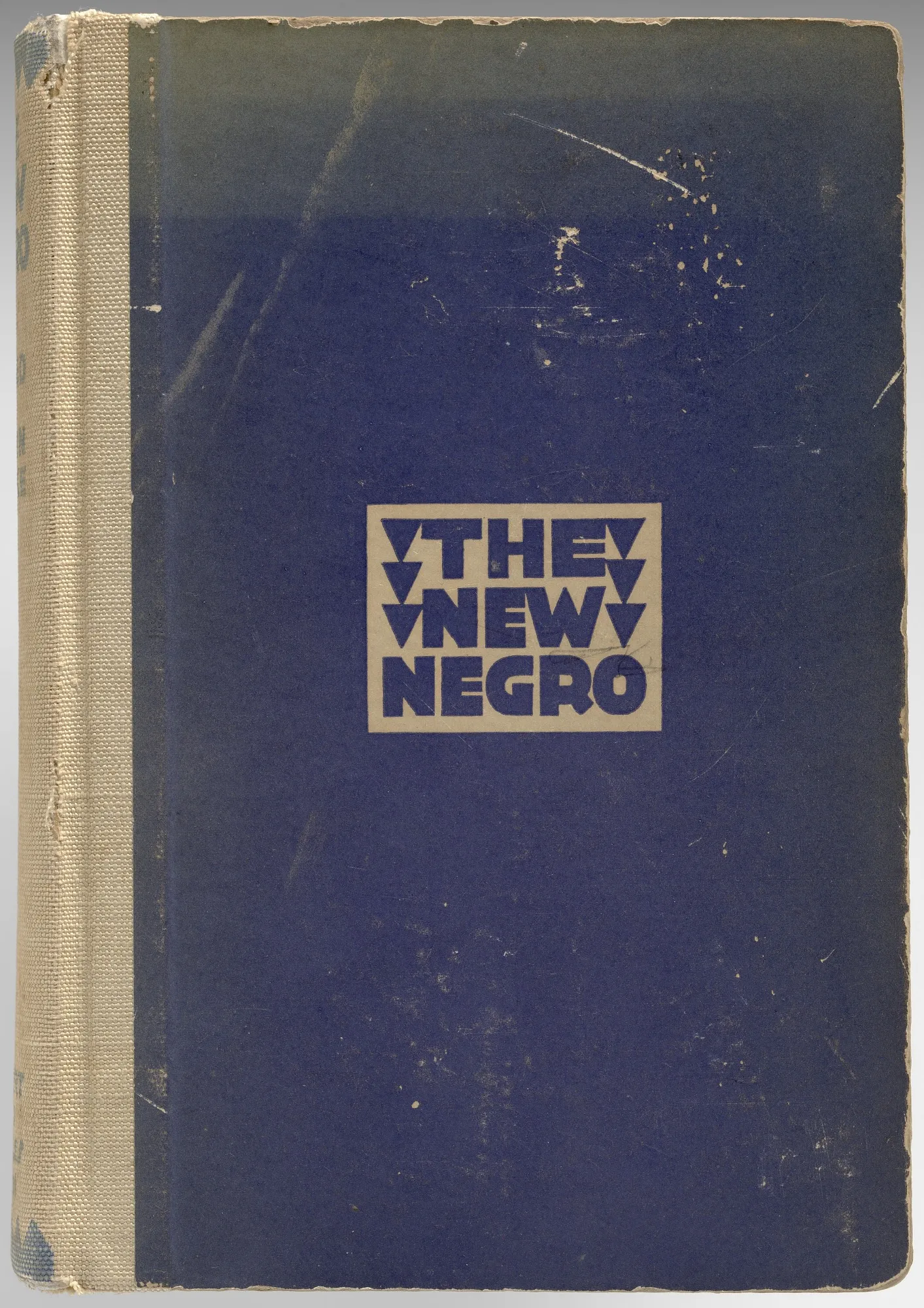
Alain Locke published The New Negro in 1925 to launch a literary project involving writers like Langston Hughes, Zora Neale Hurston, and Claude McKay. The anthology became a major publication of the Harlem Renaissance, an era of heightened visibility of Black artistry in American life, especially in the 1920s.1 The central question it asked was: Who gets to tell the story of black life? If writers were writing to stereotypes, even readers' sympathy would limit what they could write about. The Harlem writers did not all approach the problem in the same way, and their differences account for the nature of what changed. The Harlem Renaissance redefined Black identity by asserting Black control over public representation, establishing everyday Black culture as a source of literary innovation, and making differences of gender and sexuality visible within Black communities.
The Harlem Renaissance sought to break down stereotypes by allowing black writers to influence the way black life was depicted in print. The New Negro, edited by Locke, gathered writers whose work could be construed as part of a movement.2 The shape of the anthology was important because an editor could juxtapose different voices side by side and ask the reader to make comparisons. While perhaps a single author could be considered an exception to a stereotype, an anthology made the diversity of black achievement difficult to overlook. Its title also carried a claim about historical change. The term “new” implied to its readers that they should reconsider their conception of black people and embrace the writers and polemicists who were already writing contemporary literature and redefining public discourse. However, the campaign for a collective identity put a lot of power into the hands of editors. The choice of one writer, genre, or topic inevitably meant that some experiences were being read and others were possibly being misread as the entirety of black life. A book selected as an example of cultural success might make readers assume that all black writers will reflect the culture. That pressure was significant because it could cause an artist's selection of subject to seem as though it were a judgment about the community. The anthology's success was in establishing a public space where black artists could be involved in the definition of representation. After these writers had consolidated their position of authority, decisions about language, form and content became mechanisms for asserting that authority.
The movement transformed everyday Black culture into a space for literary innovation, utilizing the means of expression developed by Black communities. Hughes's significance within the movement is tied to the movement's broader engagement with Black cultural self-affirmation.3 That commitment he brings in verse in his poem, “The Weary Blues.” The poem switches between an observer's perspective and the singer's voice as he plays the blues. It's important to those voices because the observer can tell what the listener sees and hears, but the singer can describe something that the listener can only witness. The repetition enables the musician to get back into the feeling and give it a shape that others can hear and identify. Hughes asks the reader to listen to the meaning of the blues in terms of its timing, phrasing and repetition of words by making the performance shape the poem. The musician is therefore an artist whose decisions instruct the reader about the scene. His fatigue also undermines the idea that a positive Black image should be about success. The poem pays sustained attention to exhaustion and loneliness, feelings that can coexist with artistry and capture an audience. In this way, the poem broadens the understanding of what cultural achievement might look like in the lives of people of color. It locates achievement in a performance made from ordinary experience and demonstrates that a literary audience has something to learn from an existing Black art form. Hughes therefore, and through the movement, expanded the definition of what one could identify as "black" literature.
Black writers during the Harlem Renaissance also expanded the definition of the black experience by representing experiences that public ideals of racial progress might overlook. In his research on queer Harlem Renaissance writing, Fiona I. B. Ngô explores the critique of race, gender, and sexuality that were understood in categories posed by writers such as Richard Bruce Nugent and Nella Larsen.4 In Nugent's “Smoke, Lilies and Jade,” a young Black artist's desire for another man enters his “normal social and imaginative life.”5 Thoughts, feelings and experiences flow one after another in the story, with few distinct separations indicated by the ellipses. That form allows the reader to follow the character's journey, the experiences he goes through and the feelings he shares with these attractions and other relationships he has. His desire is part of his friendships and ambitions and readers meet him as one aspect of a life already demanding their attention. This depiction creates a dilemma for any narrative of racial solidarity that requires blacks to adhere to the standard of sexual respectability before they can speak for the community. It also illustrates the social implications of a formal decision. Nugent enables desire to become visible in a character's thoughts, providing him with a point of view for the experience. To interpret his decisions, readers must first consider that point of view. In Larsen's novel, Passing, Clare Kendry's marriage to a white man relies on the concealing of her ancestry, which attaches her outward racial identity to her function as a wife. Both works thereby test the freedom that the Renaissance claimed for Black artists. If Black writers were allowed to choose what to write, they could also depict differences between blacks without militantly excluding differences within the black community.
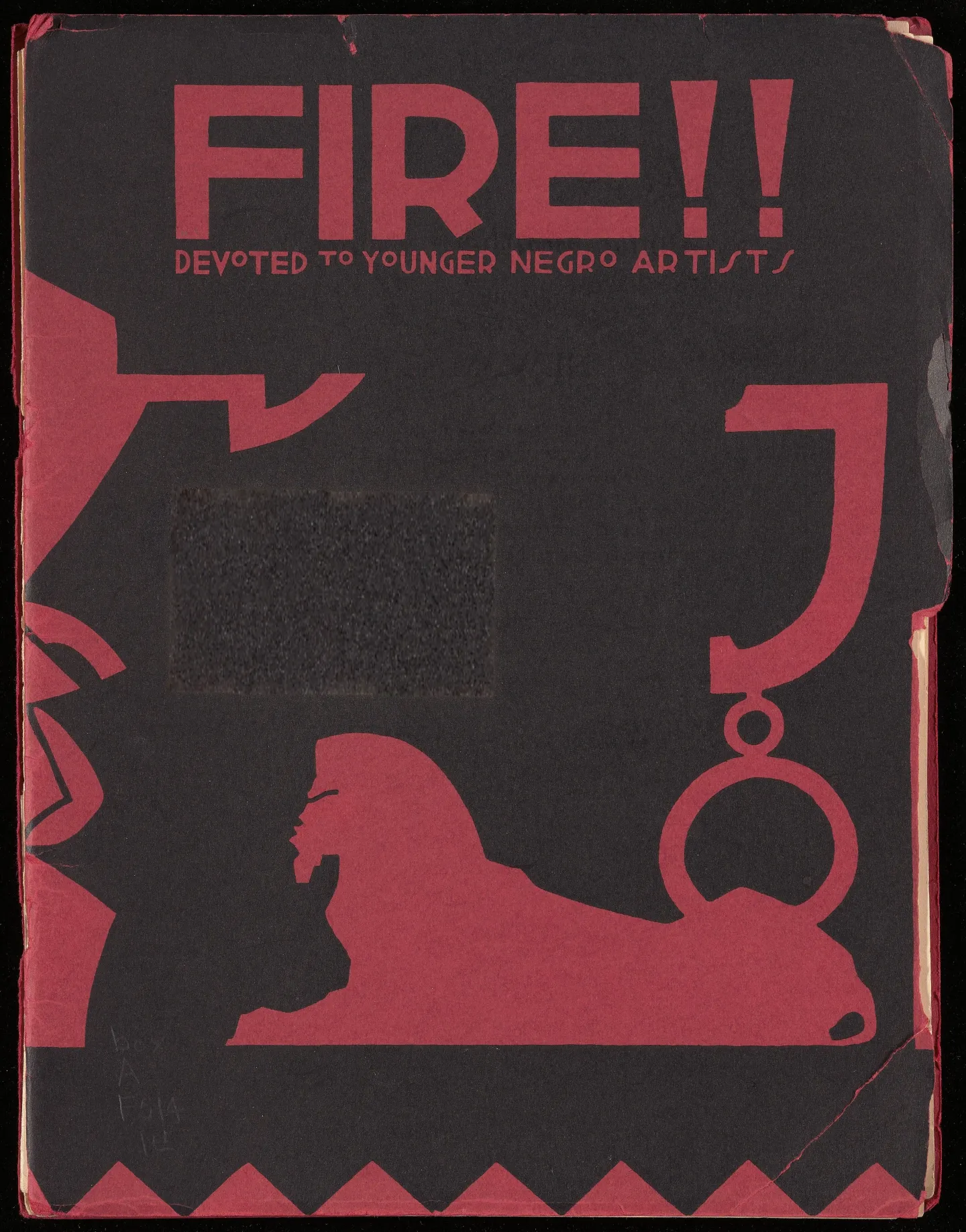
In conclusion, the Harlem Renaissance altered the rules by which black identity would be accepted into American literary life. Locke's anthology provided writers with a unified platform and introduced the issue of representation for black experience to the public discourse. Hughes employed the blues as a vehicle for demonstrating the influence of an established tradition of black music on a poem and the literary value of the working musicians' experience. Nugent furthered that liberty by demonstrating that same-sex desire could be a part of the life of a black artist. Together, these examples show that public recognition and freedom of expression did different kinds of work. Black writers became more visible, and they were able to express themselves in ways that challenged perceptions both inside and outside the community. The movement's enduring legacy is in providing those diverse lives to readers via a form that Black writers selected and created.