Introduction
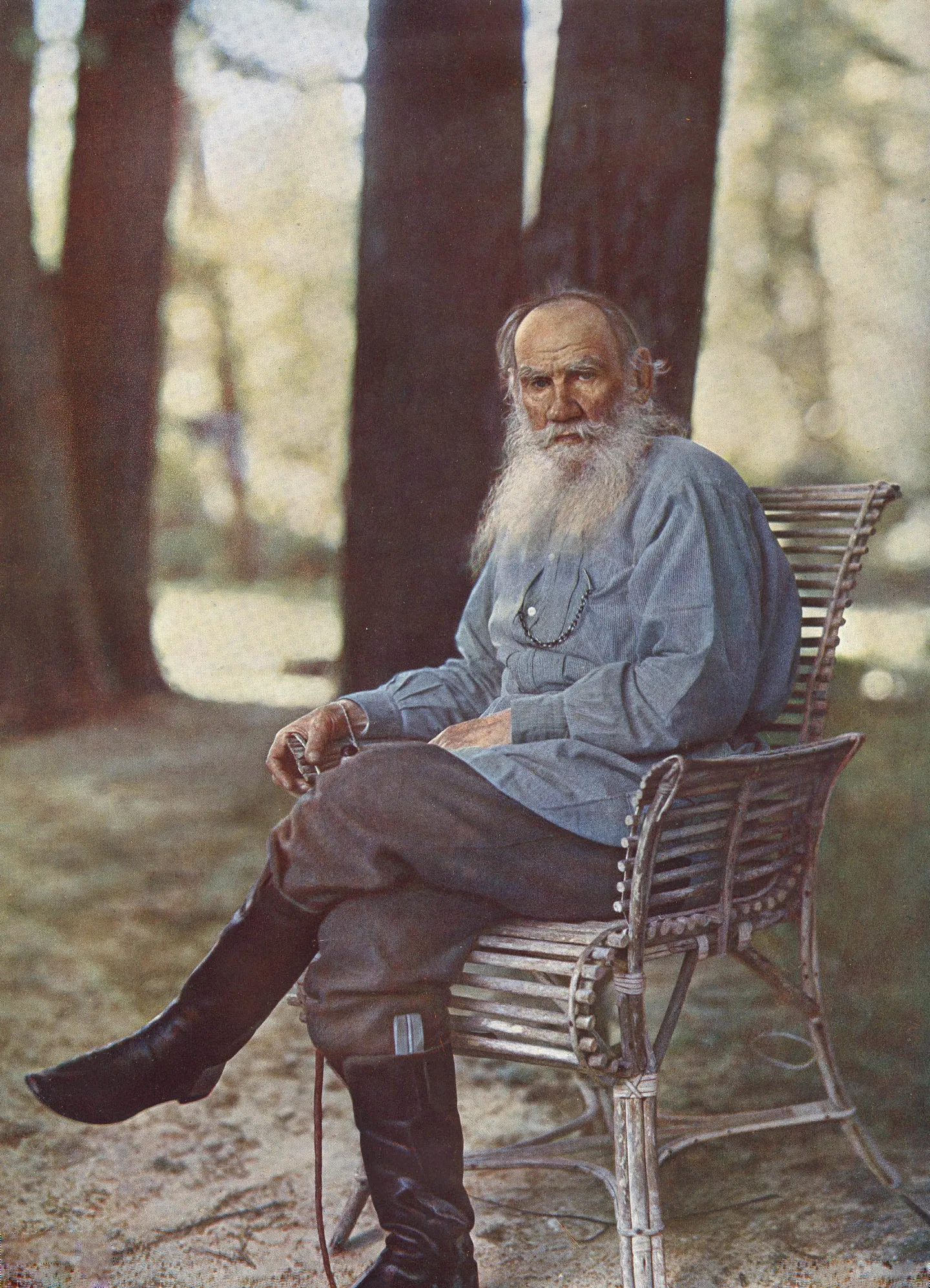
Not many questions are as persistent in aesthetics as that posed by Leo Tolstoy on the title page of his 1897 treatise: what is art?1 Tolstoy responded with a loud voice to this question, and said this was the definition of art: the feeling that its creator gives to the viewer. Twenty years later Marcel Duchamp responded with a porcelain urinal, implying that the question was mis-asked. When juxtaposed, both men represent a continuum of a long discussion. Tolstoy defines art by its effect on the human being, while Duchamp defines it by the activity or situation in which it is called by the name art. This essay suggests that both are not enough on their own, but that Duchamp shows the fundamental flaw in Tolstoy’s theory, and Tolstoy shows the vacuity that Duchamp’s gesture threatens.
Tolstoy dispenses with those theories that are most corrosive in his opening chapters, such as the notion that art is the creation of beauty, which he says ennobles the pleasures of a leisured class2. He substitutes the definition of art with one of communication: Art is when someone intentionally communicates, through outward means, a feeling he has had, and another person is infected with that feeling and experiences it.3 The infectiveness of the work is its measure; this is linked to the individuality of the feeling, the clarity of the concept and above all the sincerity of the artist4. Tolstoy then adds a moral test. Good art brings people together in a religious understanding of brotherhood, and bad art flatter and destroy society. According to this standard, he condemns a lot of the “European canon,” such as Wagner’s operas, Beethoven’s Ninth Symphony5.
There are evident qualities to the theory. It is democratic, art is a human capacity and not the property of connoisseurs, and it places emphasis on the interaction between art maker and viewer rather than on the object itself. Its faults are grave, though, and latest scholarship keeps delving into the mystery of his feelings6. Whether sentimentality has actually been conveyed is hard to prove, and a good work can as effectively catch an audience’s sympathy as a bad one. Worse, the religious criterion combines two separate questions: What is art? And what is good art? While a bad poem is still a bad poem, a bald work lacking moral content, according to Tolstoy’s criterion, is no poem at all.
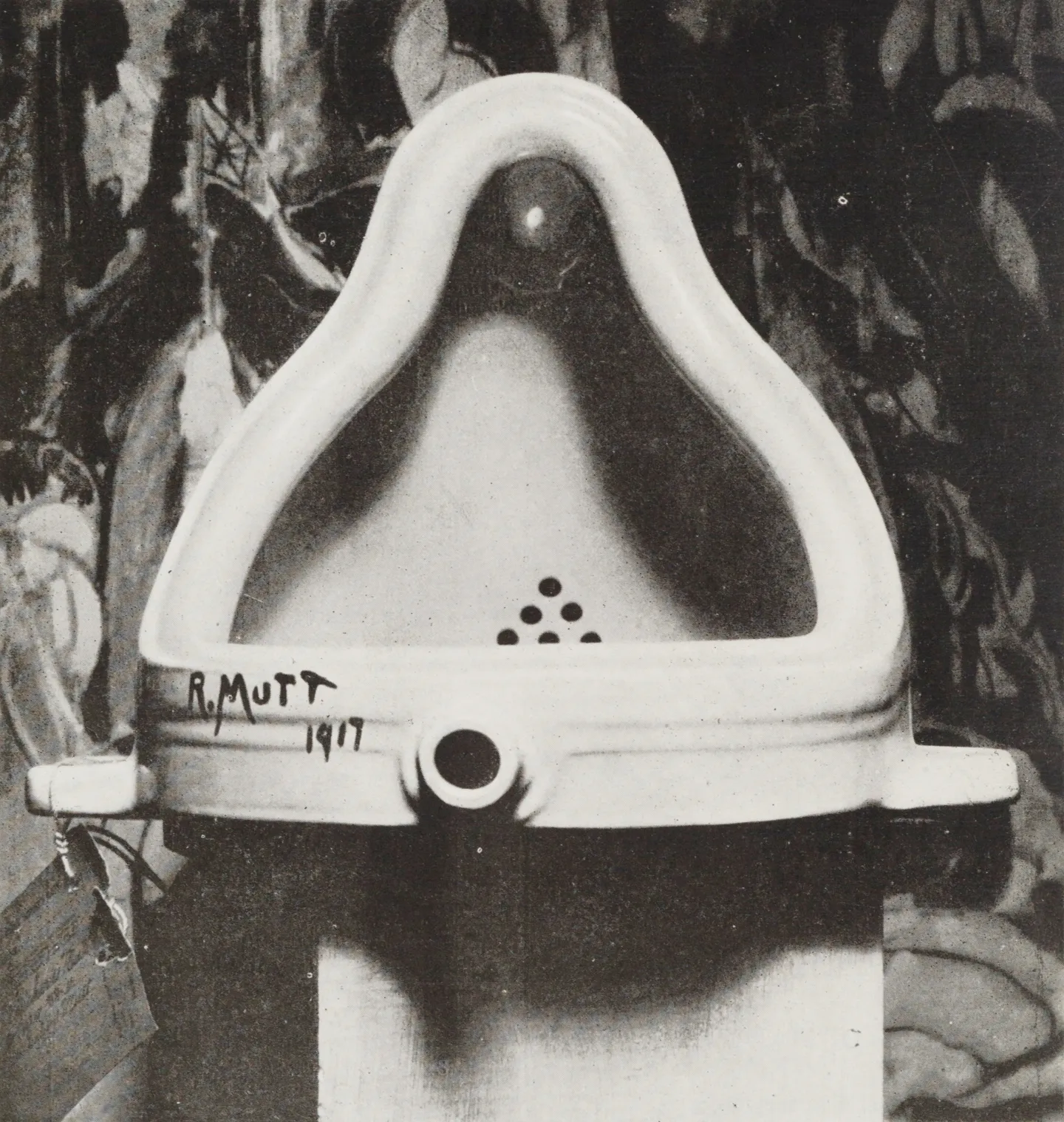
Duchamp’s Fountain makes the opposite wager. In April 1917 he anonymously submitted a fake urinal, signed “R. Mutt”, to the Society of Independent Artists in New York to which he belonged. It was rejected by the Society, and a picture of it appeared in the following month in The Blind Man with a defence of it7. Duchamp once claimed that he picked the urinal because it had none of the “aesthetic attributes.”8
The consequences are revolutionary. If art can be created by choice and art can be named, then art is not in the realm of craft, or of feeling. Thierry de Duve is the brilliant messenger of the new art paradigm that is not art as painting, sculpture, or the other traditional forms, it is art made of anything; he treats Duchamp as the messenger and not the cause9.
Tolstoy would surely have disapproved of Fountain, which appears to be set to deny him the true and heart-felt sentiment that he needs. However, the encounter is more complex than initially suggested. The two men are aiming at the same mark, an art world which sees taste as a virtue to display. Tolstoy disapproved of art created for the rich, and Duchamp selected an item that has been defaced by all that taste prizes. Besides, Fountain is infected by the reader, albeit with some emotions that are not ones Tolstoy had in mind: amusement, outrage, suspicion, curiosity. His definition, without the religious test, might even include his opponent.
There are limits to Duchamp’s account. If the artist selects anything, it becomes art and the criteria might end up with no content. This concern is addressed by institutional theories. Arthur Danto’s concept of the “artworld” and the “artworld public” is an attempt to situate the status of art within a set of practices, while George Dickie’s definition of art as an “artifact” presented to an “artworld public” also attempts to place the status of art within a set of practices, but with a greater restriction that such art cannot be outside the artworld10. These theories save Duchamp but they say what art is, and they do not say why it matters—an observation that would have been obvious to Tolstoy.
Conclusion
The best position is the middle one. Tolstoy has it right to say that art is a method of human communication without which the object is of no value, and Duchamp is correct that nothing about the beauty or the feeling of an object can tell us it is art. The quality of being good is a question which is separate from and more difficult than the quality of being art; and in this form of art, at least, – that is, when it is religious, that question, of course, must be asked by the artist. Art is a urinal or a village song, but one has to pay attention to their effect on us to measure their rank.
Tolstoy: art is defined by its effect
Art is a feeling communicated on purpose until the viewer is infected with it, and the infectiveness of the work is its measure. The essay’s objection is that sentiment is hard to prove and that the religious test mixes up what is art with what is good art.
Duchamp: art is defined by the situation
If art can be created by choice and named, it is not a matter of craft or feeling. The essay’s objection is that if the artist can select anything, the criteria may end up with no content.
Institutional theories: art is defined by a set of practices
Danto and Dickie place the status of art within the artworld and its public, which saves Duchamp. The essay adds that these theories say what art is, not why it matters.
The essay’s middle position
Tolstoy is right that art is a method of human communication; Duchamp is right that neither the beauty nor the feeling of an object can tell us it is art. Being good is a separate and harder question than being art.
Diagram by Writers Per Hour, summarising the paragraphs above. Every point is the essay’s own.