The organized athletic competitions played by student-athletes representing the universities or colleges are referred to as college sports. Ticket sales, television broadcasts, sponsorships, and merchandise benefit the universities. Recently, the ability for athletes to profit from their name, image, and likeness (NIL) has been made possible, but not all student-athletes are afforded that opportunity. The competitors spend long hours training, traveling, and competing, and at the same time perform their academic duties. The situation calls into question the amount of compensation they receive in the form of scholarships and educational benefits. College athletes deserve to be paid since they bring economic value to their universities, dedicate a lot of time and effort to their sport, require financial support, and have a right to be treated fairly.
Argument
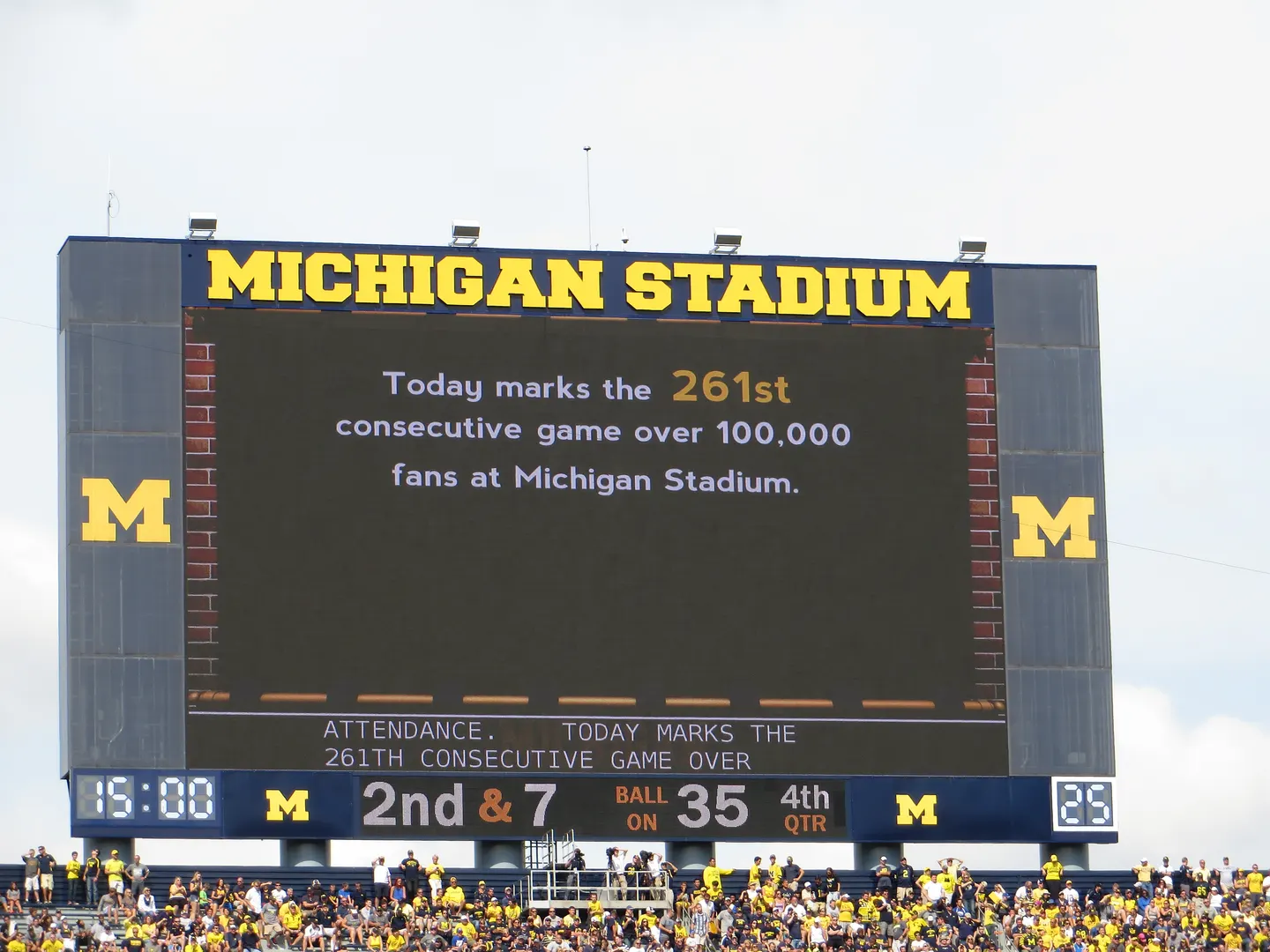
College athletes should be paid as they help make the universities and college sports programs economically successful. There are large spectators at football and basketball games that can provide institutions with revenue from broadcast rights, ticket sales, sponsorships, and merchandising. Noll (2022) states that NCAA v. Alston was a Supreme Court case that challenged limits on the compensation and benefits that colleges could offer student-athletes. This move signaled the growing doubt over the traditional rule surrounding compensation for athletes. As the centerpiece of the events that draw in both spectators and sponsors, athletes’ participation is valuable in economic terms. For instance, a university football team that consistently plays in nationally televised games may get sponsors, sell more tickets, and boost its university’s image. Consequently, it is essential for universities to acknowledge the contribution that the athletes are making to these economic opportunities, and to offer them fair compensation.
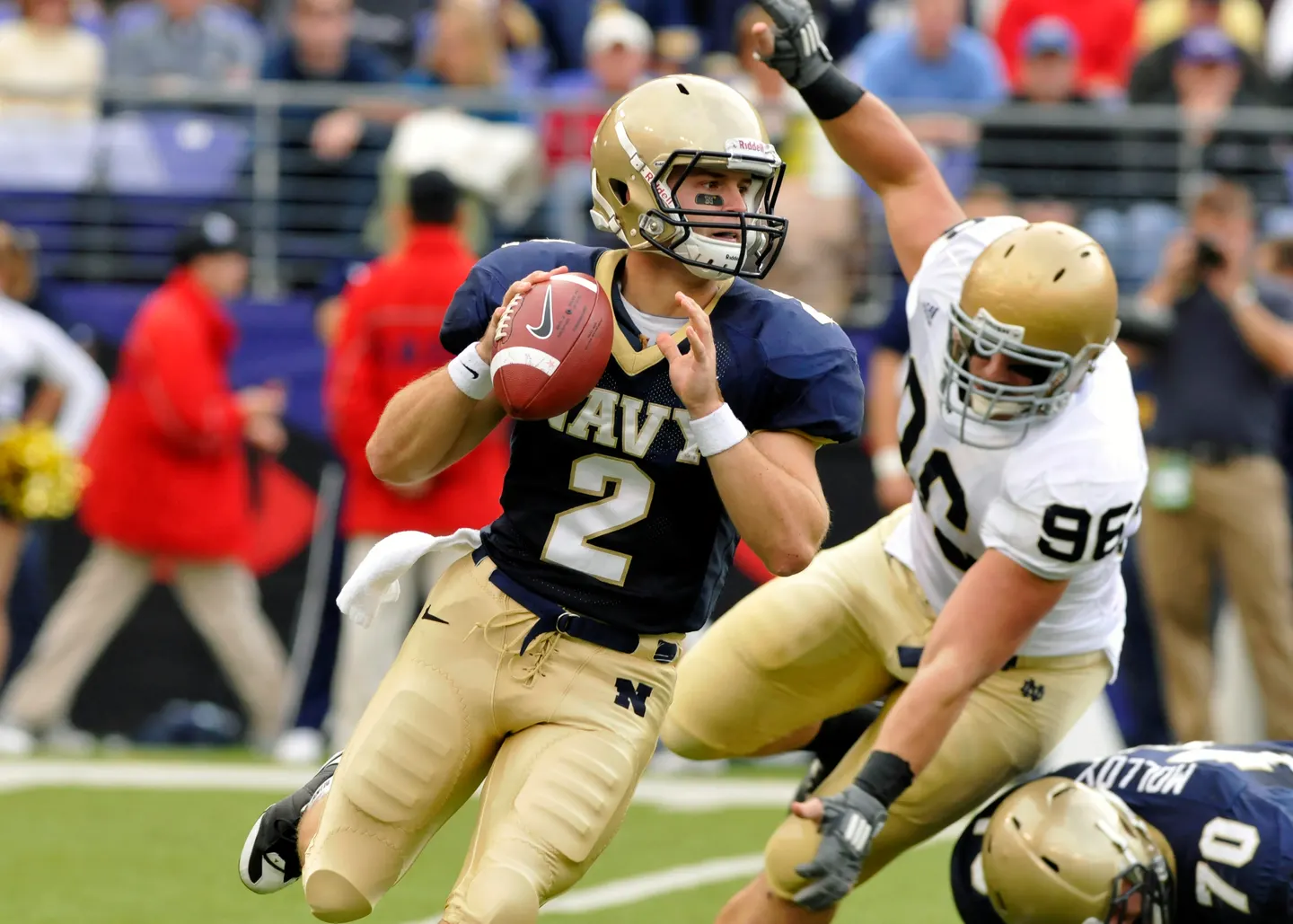
Second, the college athletes should be paid because they give a lot of their time, discipline, and commitment to a competitive game. Student-athletes have to integrate class time with training sessions, team meetings, travel, and competition. For instance, a college basketball player can practice for hours, travel for away games, and compete in games, whereas other students are learning. Therefore, paying athletes would acknowledge their commitment and give fair treatment for the time they invest in their institutions.
Third, if college players were paid, they would effectively cater to their financial needs (Wallsten et al., 2022). Students pursuing athletic scholarships can have financial hardship even if the scholarship pays for tuition, housing, meals, and approved educational expenses. Some of the additional expenses incurred by the athletes, such as transportation, personal items, and clothing, may be a burden, particularly for those from low-income families. Payment scheme that could be used for institutions would be based on the number of hours they are permitted to pay as dictated by existing NCAA rules. For example, if a student-athlete had been paid on a regular basis, then they may be able to cover transportation and personal expenses without relying on their families. This would therefore benefit the athletes’ economic self-sufficiency and would allow them to effectively concentrate on academic and athletic responsibilities.
Counterargument
The opponents argue that the roles of students is to learn and not to use the opportunity to seek employment; hence, they do not deserve to be paid. They feel that a scholarship to play sports, along with room and board, meals, and other educational advantages are sufficient compensation. In addition, if payments are made to athletes, the universities will be more expensive. There will be more financial distinctions among the sports programs, and institutional resources will be taken from other academic activities. Falak and Custis (2024) discovered that it could cost significantly more to pay athletes for all the athletic hours they reported during their sport seasons than current athletic student aid. Consequently, universities may experience financial challenges. For example, a college that has limited athletic budgets may not be able to implement salaries without taking the same step with other student services. Opponents feel that scholarships and educational aid should be the primary benefits provided to college athletes for their time and dedication to sports
Rebuttal
While these are legitimate concerns, they still do not provide sufficient rationales as to why college students should not be fairly compensated for their services. Payment systems can be implemented in universities with careful planning, keeping in mind financial resources, responsibilities of the athletes, and the disparity between athletic programs. According to Falak and Custis (2024), a compensation system that is rooted in the hours allowed under current NCAA rules may be a more viable financial option for institutions. It is possible to pay players without overspending the institutional budget. For instance, universities could set a reasonable cap on payment, clear eligibility criteria, and academic program protection policies which will ensure that their finances are properly budgeted. They might also be able to sustain standards of excellence in school, so that students can continue to value their education. Thus, under proper planning and financial management, universities can pay athletes and at the same time, maintain their educational functions.
Conclusion
College athletes should be paid as they play a role in the success of the university, spend a considerable amount of their time and energy in competitive sports, and have personal monetary obligations. While it is effective to extensively examine institutional costs and priorities, they can be addressed with reasonable and well-managed compensation policies. Even though athletic scholarships are adequate compensation, they should not be considered as a replacement for the monetary support of the contributions which they make. Student-athletes are valuable assets, and colleges should ensure to protect their financial interests and educational opportunities by compensating them fairly. Above all, the compensation of college athletes would provide some financial security to the athletes and acknowledge the role that they play in the success of American college sports.
The claim
College athletes deserve to be paid because they bring economic value to their universities, give a great deal of time and effort to their sport, need financial support and have a right to fair treatment.
Reason one: economic value
Football and basketball draw broadcast rights, ticket sales, sponsorships and merchandising, and the Alston case signalled doubt over the old rule on pay (Noll, 2022).
Reason two: time and commitment
Classes, training, team meetings, travel and games all compete for the same hours, so pay would recognize the time athletes invest.
Reason three: financial needs
A scholarship does not cover transportation, personal items and clothing; regular pay within existing NCAA hour limits would reduce reliance on families (Wallsten et al., 2022).
The counterargument
Students are there to learn, scholarships are enough, and pay would raise costs and widen gaps between programs; paying for all reported hours would cost far more than current athletic aid (Falak & Custis, 2024).
The rebuttal
Pay based on the hours NCAA rules allow may be financially viable, with a cap, clear eligibility criteria and protection for academic programs (Falak & Custis, 2024).
The conclusion
Pay is a fair acknowledgement of athletes’ role in college sports and gives them financial security; scholarships should not replace it.
Diagram by Writers Per Hour, summarising the essay’s argument, objection and reply. Every part is taken from the essay’s own words and citations.